
The Digital Clinic: How Websites Anchor Virtual Care Infrastructure
A website acts as the secure operational hub for telemedicine, functioning not merely as a marketing tool but as the "digital front door" that validates patient identity, manages legal consent, and processes medical intake before a video consultation begins. It integrates fragmented systems—scheduling, electronic health records (EHR), and payment gateways—into a single, compliant workflow that protects both the provider and the patient.
Centralizing the Patient Journey
In a virtual care model, the website serves the critical function of digital triage. Before a patient ever speaks to a physician, the website’s infrastructure must securely collect medical history, verify insurance eligibility, and obtain informed consent. This pre-consultation data capture ensures that the physician’s time is spent on clinical assessment rather than administrative data entry. Without this centralized staging area, telemedicine becomes a disjointed series of emails and unsecure links that compromise practice efficiency.
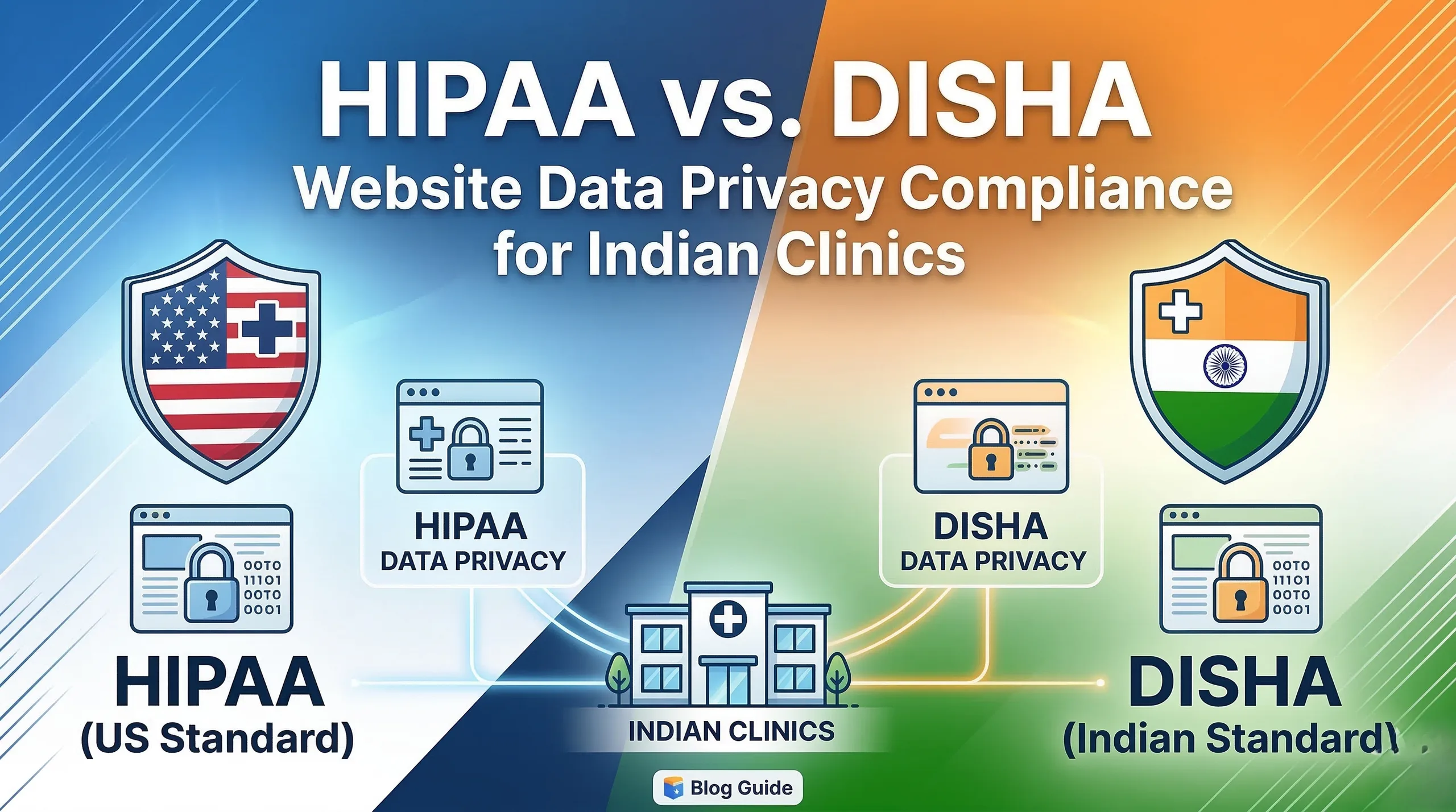
From a technical perspective, a medical website bridges the gap between the public internet and private health networks. It utilizes encrypted protocols (HTTPS/SSL) to create a secure tunnel where patients can log in to protected portals. This separation is vital; the public-facing pages attract and inform patients via search engines, while the gated internal sections handle Protected Health Information (PHI) in strict adherence to HIPAA or GDPR standards.
Authority Expansion Sections
Integration with Telehealth APIs
Modern medical websites do not "host" video calls directly on standard web servers due to latency and security risks. Instead, they integrate with enterprise-grade Telehealth APIs (like Zoom for Healthcare or Twilio). The website manages the user interface and authentication, then seamlessly "hands off" the verified session to the secure video infrastructure, ensuring high-quality streaming without exposing patient data.
Is a Website Required for Healthcare or is Social Media Enough?
Automated Patient Intake and Sync
The most effective telemedicine websites embed dynamic intake forms that write directly to the practice’s Electronic Health Record (EHR) system. This interoperability eliminates manual transcription errors. When a patient submits their symptoms or medication history on the website, the data is instantly available to the provider during the consult, creating a continuity of care that standalone video apps cannot offer.
Identity Verification and Fraud Prevention
A website adds a necessary layer of security by enforcing Multi-Factor Authentication (MFA) before granting access to virtual waiting rooms. This prevents unauthorized access to medical advice and protects the provider from liability. By requiring secure logins, the website establishes an audit trail proving exactly who accessed the care and when, a requirement for medical billing and legal defense.
More Related that will help you
Digital Consent: Capturing Patient Data Online in 2026
Why Google Search Visibility is Critical for Doctors and Hospitals
Color Psychology in Hospital Web Design: Beyond Blue
10 Ways Hospitals Improve Patient Experience via Digital Touchpoints (2026 Guide)
Frequently Asked Questions
Find quick answers to common questions about this topic