The healthcare industry has experienced a massive shift in how patients make medical decisions. Today, patients act as proactive consumers. They research symptoms online, compare hospital reviews, evaluate physician credentials, and expect a seamless digital booking experience.
Data shows that over 70 percent of patients begin their healthcare journey with a search engine. If your hospital does not appear at the top of these search results with an authoritative and user friendly digital presence, you are losing patients to competing health systems.
https://publichealth.tulane.edu/blog/healthcare-marketing/
Marketing a hospital requires a delicate balance. You must project clinical excellence and build profound community trust while adhering strictly to patient privacy laws like HIPAA. The strategies that worked a decade ago, such as generic billboards and broad television commercials, are no longer sufficient to drive measurable patient acquisition.
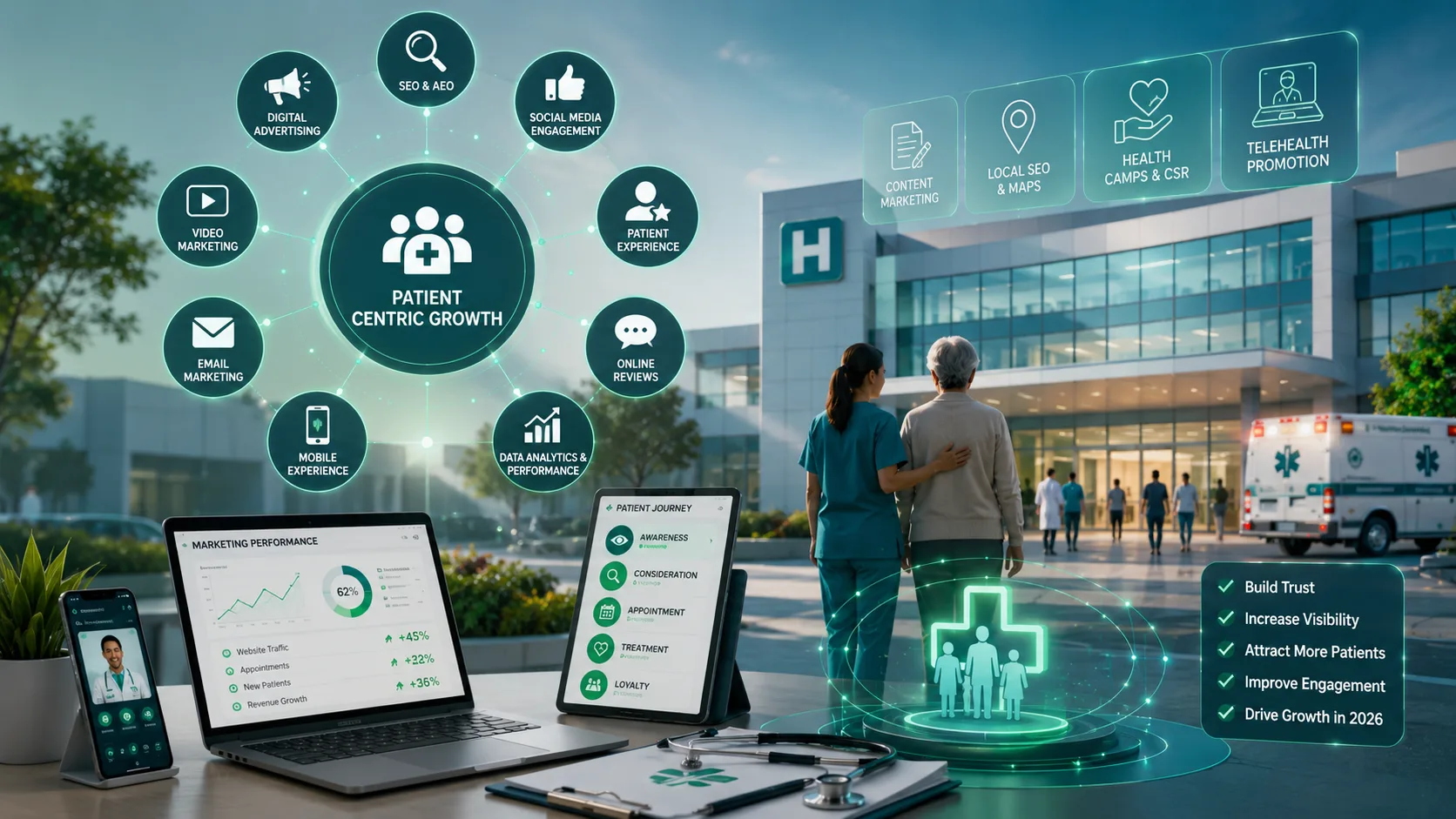
To succeed today, healthcare administrators and marketing directors need a comprehensive digital ecosystem. This involves scalable website architecture, precise search engine optimization, and data driven advertising. Below is a detailed guide featuring 25 proven marketing ideas for hospitals to accelerate growth, improve patient retention, and establish market dominance.
Category 1 Digital Presence and Website Foundation
Your digital infrastructure is the front door to your hospital. Before a patient ever meets a doctor, they interact with your website.
1. Develop a High Performance Patient Centric Website
A hospital website must be more than an informational brochure. It must be a high speed, highly secure portal that guides patients intuitively. If a user is dealing with a medical emergency, they cannot afford to wait for a slow page to load.
Is a Website Required for Healthcare or is Social Media Enough?
Search engines penalize slow websites. Furthermore, your site must be fully ADA compliant, ensuring accessibility for users with visual or physical impairments. Mobile responsiveness is non negotiable, as the majority of local health searches happen on smartphones.
Investing in premium website development ensures your digital infrastructure can handle high traffic volumes securely. TenG Spectrum builds enterprise grade websites that prioritize user experience, robust security, and seamless integration with healthcare scheduling systems.
2. Implement Advanced Healthcare SEO
Google treats medical information under its YMYL framework, which stands for Your Money or Your Life. This means Google holds healthcare websites to the highest possible standard of accuracy and authority. Basic keyword stuffing will actually harm your rankings.
Advanced healthcare SEO focuses on establishing E-E-A-T, which stands for Experience, Expertise, Authoritativeness, and Trustworthiness. Every piece of medical content should be reviewed and authored by verified medical professionals to signal trust to search algorithms.
Optimizing your site architecture to load quickly and structure data properly is equally important. Technical SEO ensures search engine bots can easily crawl your hospital directories, physician profiles, and service pages.
3. Optimize for Local SEO and Google Business Profiles
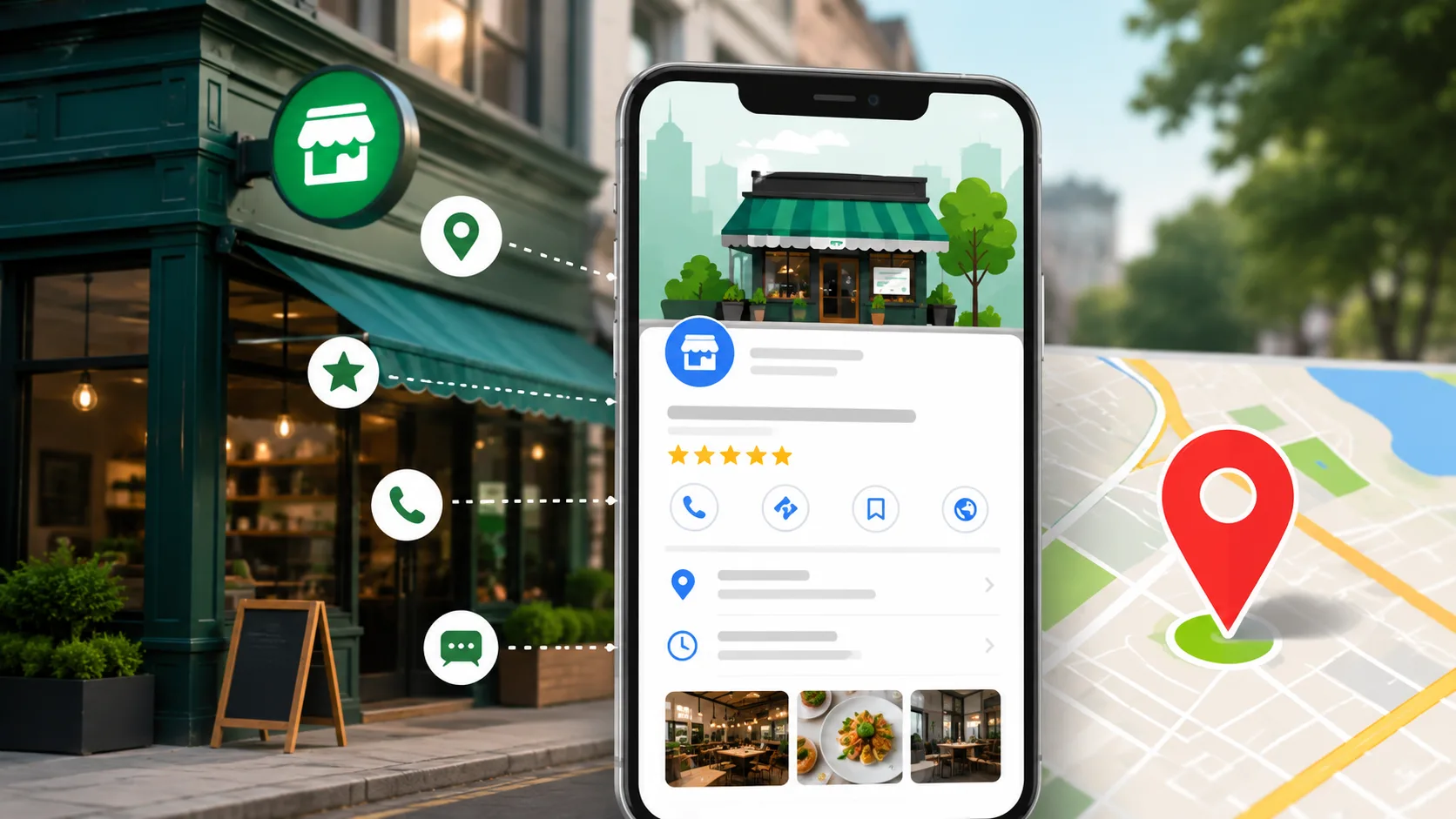
When a patient searches for an urgent care or a cardiologist near them, the Google Map Pack is the first thing they see. The Map Pack features the top three local businesses related to the search query.
Hospitals face a unique challenge because they house multiple departments and hundreds of physicians. You must create and optimize separate Google Business Profiles for your main hospital, individual departments, and individual doctors.
Ensure the name, address, and phone number are perfectly consistent across all profiles. Upload high quality images of your facilities and update your operating hours meticulously, especially for emergency and urgent care divisions.
4. Create High Quality Medical Content and Blogs
Patients constantly search for information regarding their symptoms, potential treatments, and preventive care. By creating a robust medical blog, your hospital can capture this early stage search traffic.
Content should answer specific questions clearly and compassionately. Instead of writing a generic post about heart disease, write a detailed article about the early warning signs of a heart attack in women. This targets specific search intent.
Ensure this content is easy to read. Avoid overly dense medical jargon. The goal is to educate the patient and naturally guide them to schedule an appointment with one of your specialists.
5. Implement Answer Engine Optimization
Search behavior is evolving rapidly with the integration of artificial intelligence and voice assistants. Answer Engine Optimization ensures your website is structured to be read by these AI tools.
Patients use voice search to ask conversational questions like where is the nearest pediatric emergency room. To capture this traffic, your content must provide direct, factual answers formatted with clean heading structures.
Implementing FAQ schema markup on your service pages feeds data directly to AI algorithms. This dramatically increases your chances of being featured as the definitive voice answer or appearing in AI generated search summaries.
Why Patients Visit Your Website But Do Not Book Appointments
Category 2 Patient Acquisition and Lead Generation
Once your foundation is secure, you must actively drive targeted traffic to high value service lines.
6. Launch Targeted Google Ads for High Margin Services
Not all hospital departments generate the same revenue. Orthopedics, cardiology, neurology, and bariatric surgery are typically high margin service lines. Your paid advertising budget should focus heavily on these areas.
Google Ads allows you to capture high intent traffic. When someone searches for a knee replacement surgeon, they are actively looking for a solution. Bidding on these specific keywords ensures your hospital appears at the very top of the page.
It is crucial to track the conversion rate of these ads closely. You should measure the cost per acquired patient, not just the cost per click, to ensure a positive return on your marketing investment.
7. Run Compliant Healthcare Social Media Ads
Social media advertising on platforms like Facebook and Instagram is excellent for building brand awareness. However, hospitals must navigate these platforms carefully to avoid violating HIPAA regulations and patient privacy laws.
You cannot use invasive behavioral targeting based on a users medical history. Instead, focus on broad demographic targeting and promote general wellness programs, community events, or brand building videos.
Promoting free health risk assessments or informative webinars is a highly effective, compliant way to generate leads. Once a patient voluntarily opts into your email list, you can nurture that relationship directly.
8. Develop a Robust Telehealth Marketing Strategy
Telehealth is no longer a temporary alternative it is a permanent consumer expectation. Patients value the convenience of consulting a physician from their living room, especially for routine checkups or minor illnesses.
Market your telehealth services aggressively across all digital channels. Highlight the time saved, the ease of booking, and the immediate access to medical professionals.
Create a dedicated landing page explaining exactly how the virtual visit works. Include a step by step guide on how to download the necessary software and what to expect during the consultation.
9. Implement Conversion Rate Optimization
Generating traffic to your hospital website is pointless if those visitors do not book appointments. Conversion Rate Optimization focuses on removing all friction from the patient booking journey.
Analyze how users navigate your website using heatmaps and user recording tools. If patients abandon the scheduling page halfway through, your form might be too complicated or require too much information upfront.
Ensure that the call to action buttons are highly visible and accessible on mobile devices. A sticky Book Appointment button that remains on the screen as the user scrolls can significantly increase conversion rates.
10. Create Condition Specific Landing Pages
When you run a paid advertising campaign, never send that traffic to your hospital homepage. The homepage contains too many distractions and navigation options, causing users to bounce.
Instead, direct users to highly targeted, condition specific landing pages. If your ad promotes maternity services, the landing page should focus exclusively on your maternity ward, specialized obstetricians, and patient testimonials.
These landing pages should have a single, clear objective, such as scheduling a consultation or downloading an information packet. Removing external links keeps the user focused on the intended conversion goal.
Category 3 Patient Experience and Retention
Marketing does not end when a patient walks through the door. Retaining patients and encouraging them to return requires ongoing engagement.
11. Build a Comprehensive Patient Portal
A highly functional patient portal is a powerful retention tool. Patients want immediate access to their lab results, prescription renewals, and upcoming appointment schedules without having to wait on hold.
Promote the usage of your patient portal during the discharge process. Train your administrative staff to help patients download the app and set up their accounts before they leave the facility.
A well designed portal empowers the patient to take control of their health journey. It also significantly reduces the administrative burden on your hospital staff by automating routine inquiries.
12. Automate Email Marketing for Patient Journeys
Email marketing remains one of the most cost effective ways to maintain a relationship with your patients. However, generic newsletters are often ignored.
Implement automated email sequences tailored to specific patient journeys. For example, a patient who just had joint replacement surgery should receive an automated weekly email containing physical therapy exercises and recovery tips.
This level of personalized communication demonstrates continuous care. It builds profound loyalty and ensures your hospital remains top of mind for their future healthcare needs.
13. Implement AI Powered Chatbots for Triage
Patients often visit hospital websites seeking immediate answers to logistical questions. They want to know visiting hours, parking locations, or accepted insurance providers.
Implementing an AI powered chatbot on your website provides instant assistance 24 hours a day. These bots can answer frequently asked questions immediately, improving the digital patient experience.
Advanced chatbots can even perform preliminary symptom checking and route patients to the appropriate scheduling department or emergency contact number based on their inputs.
14. Launch a Post Discharge Review Generation Campaign
Online reviews are critical to hospital marketing. A facility with a poor star rating on Google will struggle to attract new patients, regardless of how much they spend on advertising.
Implement an automated system that sends an SMS or email requesting a review shortly after a patient is discharged. Timing is crucial. You want to capture their feedback while their positive experience is still fresh.
Address negative reviews promptly and professionally. Due to privacy laws, you cannot discuss medical specifics online. Acknowledge their concern publicly and provide a direct phone number for a patient advocate to resolve the issue offline.
15. Create Educational Video Content
Healthcare is deeply personal and often intimidating. Video content humanizes your hospital and builds trust faster than any other medium.
Create high quality video biographies for your leading physicians. Let them explain their treatment philosophy and why they chose their specialty. When patients feel they know the doctor before the appointment, anxiety is significantly reduced.
Additionally, produce animated explainer videos for common procedures. Explaining what happens during an MRI or how a surgical robot operates demystifies the process and positions your hospital as an educational leader.
Category 4 Community and Brand Authority
Hospitals are anchors of their local communities. Your marketing should reflect your commitment to regional health and wellness.
16. Host Digital Health Webinars and Q&A Sessions
Physical community health seminars are valuable, but digital webinars expand your reach exponentially. Hosting live online sessions allows patients to learn from experts from the comfort of their homes.
Promote webinars focusing on seasonal health topics, such as managing allergies in the spring or heart health during the holidays. Allow attendees to submit questions anonymously to encourage participation.
Record these webinars and repurpose them. You can upload the full videos to YouTube, cut short clips for social media, and transcribe the audio into detailed blog posts for SEO value.
17. Partner with Local Businesses for Wellness Programs
B2B marketing is an overlooked aspect of hospital growth. Partnering with large local employers to offer corporate wellness programs provides a steady stream of new patients.
Offer on site flu vaccination clinics, biometric health screenings, and ergonomic assessments for corporate offices. Establish your hospital as the preferred provider for their workers compensation and occupational health needs.
These partnerships integrate your health system directly into the local economy. It creates a reliable referral pipeline while simultaneously improving the health of the local workforce.
18. Launch a Hospital Podcast
Audio content is experiencing explosive growth. A hospital branded podcast is an excellent platform to establish thought leadership and reach busy professionals.
Interview your top surgeons, researchers, and department heads. Discuss medical breakthroughs, healthy lifestyle tips, and stories of patient resilience. Keep the tone conversational and accessible to the general public.
Podcasts also serve as excellent networking tools. Inviting local community leaders or specialized independent physicians to speak on your podcast strengthens valuable professional relationships.
19. Publish Medical Case Studies and Research
To attract top tier physicians and complex medical cases, your hospital must demonstrate clinical excellence. Publishing detailed medical case studies proves your expertise to the wider medical community.
Create a dedicated section on your website for clinical research and white papers. This content naturally attracts backlinks from other medical institutions and universities, which massively boosts your overall website authority.
While this content is highly technical, it serves a crucial purpose. It signals to search engines and referring doctors that your facility operates at the cutting edge of modern medicine.
20. Sponsor Local Community Events
While digital marketing is essential, physical brand presence still matters. Sponsoring local marathons, youth sports leagues, and community health fairs keeps your brand visible in daily life.
Ensure your offline sponsorships have a digital component. For example, provide a QR code at your sponsor booth that directs attendees to a free digital health assessment on your website.
Merging offline community engagement with digital lead capture ensures you get measurable returns from your local event sponsorships.
Category 5 Advanced Data and Specialized Marketing
The future of healthcare marketing relies on predictive data and highly specialized outreach strategies.
21. Utilize Predictive Analytics for Patient Needs
Advanced marketing systems can analyze historical data to predict future patient behaviors. By studying past admission trends, you can accurately forecast when specific services will see increased demand.
For example, pediatric asthma cases often spike when school resumes in the fall. Orthopedic injuries generally increase during winter sports seasons.
Using this predictive data allows you to allocate your advertising budget efficiently. You can launch targeted campaigns weeks before the anticipated surge, capturing the market early.
22. Implement Competitor Geofencing
Geofencing uses GPS technology to create a virtual boundary around a specific location. You can place geofences around competing hospitals or independent specialized clinics.
When a potential patient enters that defined geographic area with their smartphone, you can serve them targeted advertisements. This strategy is highly effective for urgent care centers looking to capture patients from crowded competitor waiting rooms.
Ensure your ad copy provides a compelling reason to switch, such as highlighting shorter wait times or superior facility amenities.
23. Develop a Specialized Physician Referral Program
For specialty hospitals and advanced surgical centers, other doctors are your primary source of new patients. A structured physician liaison program is a vital marketing asset.
Equip your liaisons with digital tracking tools to monitor which practices refer the most patients. Create an exclusive portal where referring physicians can easily track their patients progress and access discharge summaries.
Making the referral process seamless and transparent guarantees that independent doctors will continue to send their complex cases to your specialists.
24. Launch a Grateful Patient Fundraising Campaign
Hospitals often rely on philanthropic donations to fund new equipment and research facilities. Marketing to grateful patients is a highly specialized and sensitive strategy.
Use data analytics to identify patients who had highly successful outcomes and have the financial capacity to donate. Send them personalized, thoughtful communications detailing how their contributions can help future patients experience the same success.
This strategy requires a delicate tone. The focus must always remain on expressing gratitude for their trust in your facility rather than aggressively asking for capital.
25. Execute an Omnichannel Crisis Communication Plan
In healthcare, a public relations crisis can happen instantly. Whether it is a data breach or a negative news story, how you communicate during a crisis defines your brand reputation.
Your marketing team must have an omnichannel crisis plan ready before an emergency occurs. This involves preparing press release templates, social media statements, and internal communication protocols.
Maintaining a dedicated page on your website for real time updates during a crisis demonstrates transparency. Honest, rapid communication preserves the community trust you have spent years building.
Comparing Traditional vs. Modern Healthcare Marketing
To understand why hospitals must upgrade their digital strategies, observe the stark differences between legacy methods and modern approaches.
| Healthcare Marketing Focus | Traditional Approach | Modern Strategy (2026) |
| Patient Discovery | Print directories and physical referrals. | Answer Engine Optimization and Google Map Packs. |
| Advertising Reach | Broad television and billboard campaigns. | Geofenced targeting and high intent Google Ads. |
| Authority Building | Generic press releases and brochures. | Clinical case studies and physician video biographies. |
| Patient Engagement | Phone calls during strict business hours. | Patient portals, telehealth, and AI chatbots. |
| Reputation Management | Relying purely on word of mouth. | Automated digital review generation and public responses. |
Elevate Your Hospital Marketing with TenG Spectrum
The strategies outlined in this guide represent the pinnacle of modern healthcare marketing. However, implementing these ideas requires deep technical expertise, a flawless understanding of medical search intent, and highly secure digital infrastructure.
A beautiful hospital website is useless if it is slow, vulnerable, or invisible to search engines. Relying on outdated marketing techniques will result in continuous patient leakage to more digitally advanced healthcare networks. You need a digital ecosystem that matches the clinical excellence of your facility.
At TenG Spectrum, we specialize in premium website development, advanced SEO, and comprehensive digital solutions. We engineer secure, scalable, and high performance digital platforms designed specifically to capture patient traffic and dominate search results.
Stop losing valuable patients to your competitors. Contact TenG Spectrum today to discuss how our expert web development and healthcare digital strategy services can transform your hospital's growth trajectory. Let us build the digital authority your health system demands.
Frequently Asked Questions
Find quick answers to common questions about this topic