Why Social Media Cannot Replace a Healthcare Website
While WhatsApp and Instagram effectively facilitate patient communication and brand awareness, they are structurally insufficient for a healthcare business due to data privacy vulnerabilities and platform dependency. A professional, secure website is mandatory to ensure regulatory compliance (such as HIPAA or GDPR), establish medical authority, and manage protected health information (PHI) securely.
How to Build a Hospital Website: The Complete 2026 Guide for Healthcare Leaders
The Strategic Necessity of Owned Digital Infrastructure
Reliance on third-party social platforms for core medical operations introduces significant platform risk. Social media channels are "rented land," meaning your patient access is subject to algorithm changes and account suspensions without recourse. In contrast, a dedicated website functions as a central digital asset where you retain full data sovereignty. This ownership is critical for healthcare providers who must guarantee long-term access to patient resources and practice information.
From a technical perspective, search visibility for medical services relies heavily on structured data and local SEO, which social media profiles cannot support. Search engines prioritize authoritative domains that demonstrate Expertise, Experience, Authoritativeness, and Trustworthiness (E-E-A-T). A website allows for the implementation of medical schema markup, enabling search engines to accurately index services, location, and practitioner credentials, which is impossible to achieve through social media bios alone.
Regulatory Compliance and Data Security
The most critical limitation of using consumer apps for healthcare is the inability to guarantee the security of Protected Health Information (PHI). Standard messaging apps generally do not sign Business Associate Agreements (BAAs) or offer the encryption standards required for medical compliance. A custom website allows for the integration of secure, encrypted patient portals where sensitive documents and intake forms can be exchanged safely, adhering to legal standards for patient confidentiality.
Digital Consent: Capturing Patient Data Online in 2026
Local Search and Patient Acquisition
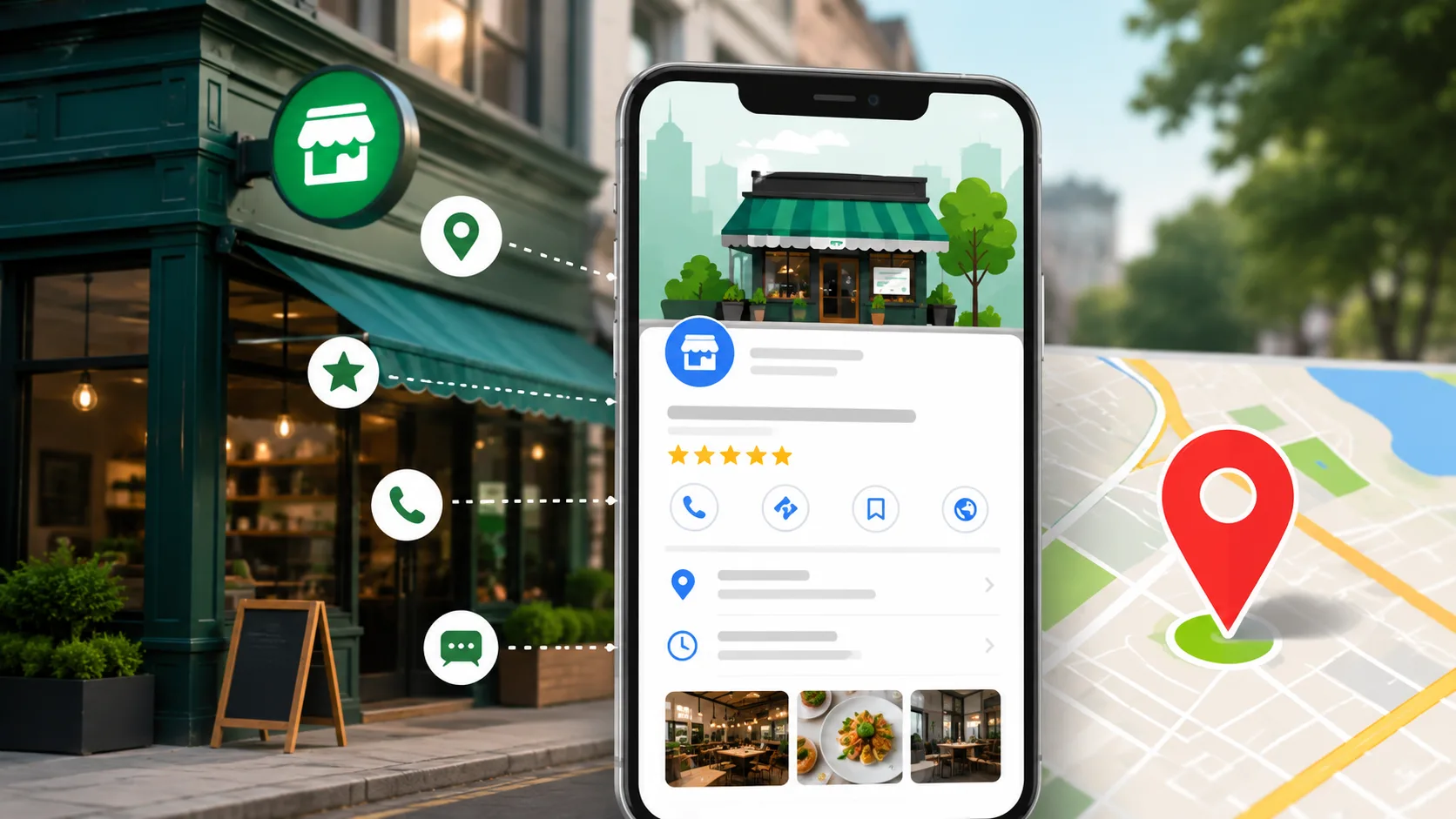
Healthcare is predominantly a local search intent industry. Patients searching for specialists or clinics typically use queries like "cardiologist near me," which trigger Google’s local map pack. While a social profile helps, high-ranking results are driven by Google Business Profiles linked to verified, optimized websites. Without a domain, a medical practice signals a lack of permanence and professionalism to both search algorithms and potential patients, significantly reducing organic patient acquisition.
Automation of Patient Intake
Social media platforms require manual monitoring and response, which creates operational bottlenecks. A healthcare website supports automated workflows, including online booking engines, digital triage forms, and insurance verification portals. These integrations reduce administrative overhead and error rates by directly syncing patient input into Electronic Health Record (EHR) systems. This level of interoperability is unattainable through standalone messaging applications.
10 Ways Hospitals Improve Patient Experience via Digital Touchpoints (2026 Guide)
Frequently Asked Questions
Find quick answers to common questions about this topic