Website maintenance is the disciplined practice of regularly updating software, patching security vulnerabilities, and optimizing performance to ensure a digital asset remains functional and secure. Neglecting this operational standard inevitably results in compounded technical debt, critical security breaches, and emergency remediation costs that significantly exceed the investment required for proactive management.
The Strategic Importance of WordPress Maintenance
The Mechanics of Digital Degradation
Digital environments are not static; they exist within a rapidly evolving ecosystem of server updates, browser changes, and security threats. When a website is deployed but not maintained, "software rot" begins immediately. Plugins, themes, and core CMS files become incompatible with newer server-side languages like PHP or Python versions, leading to broken functionality and downtime.
From a financial perspective, ignoring maintenance creates technical debt. A minor conflict between a payment gateway API and an outdated plugin might initially cause intermittent errors. If left unaddressed, this escalates into a full system failure requiring emergency developer intervention. Emergency development rates are typically triple standard retainer rates, making reactive fixes far more expensive than scheduled upkeep.
Security remains the most critical factor. The majority of website hacks exploit known vulnerabilities in outdated software. Automated bots scan the web for unpatched systems, and a lack of maintenance leaves the digital door unlock. Recovering from a compromised database or a ransomware attack involves forensic analysis, data restoration, and reputation management, costing businesses exponentially more than a monthly maintenance protocol.
Core Components of Professional Maintenance
Security Patching and Vulnerability Management Maintenance involves monitoring Common Vulnerabilities and Exposures (CVE) databases and applying security patches immediately upon release. This closes security gaps in the CMS core and third-party dependencies before attackers can exploit them.
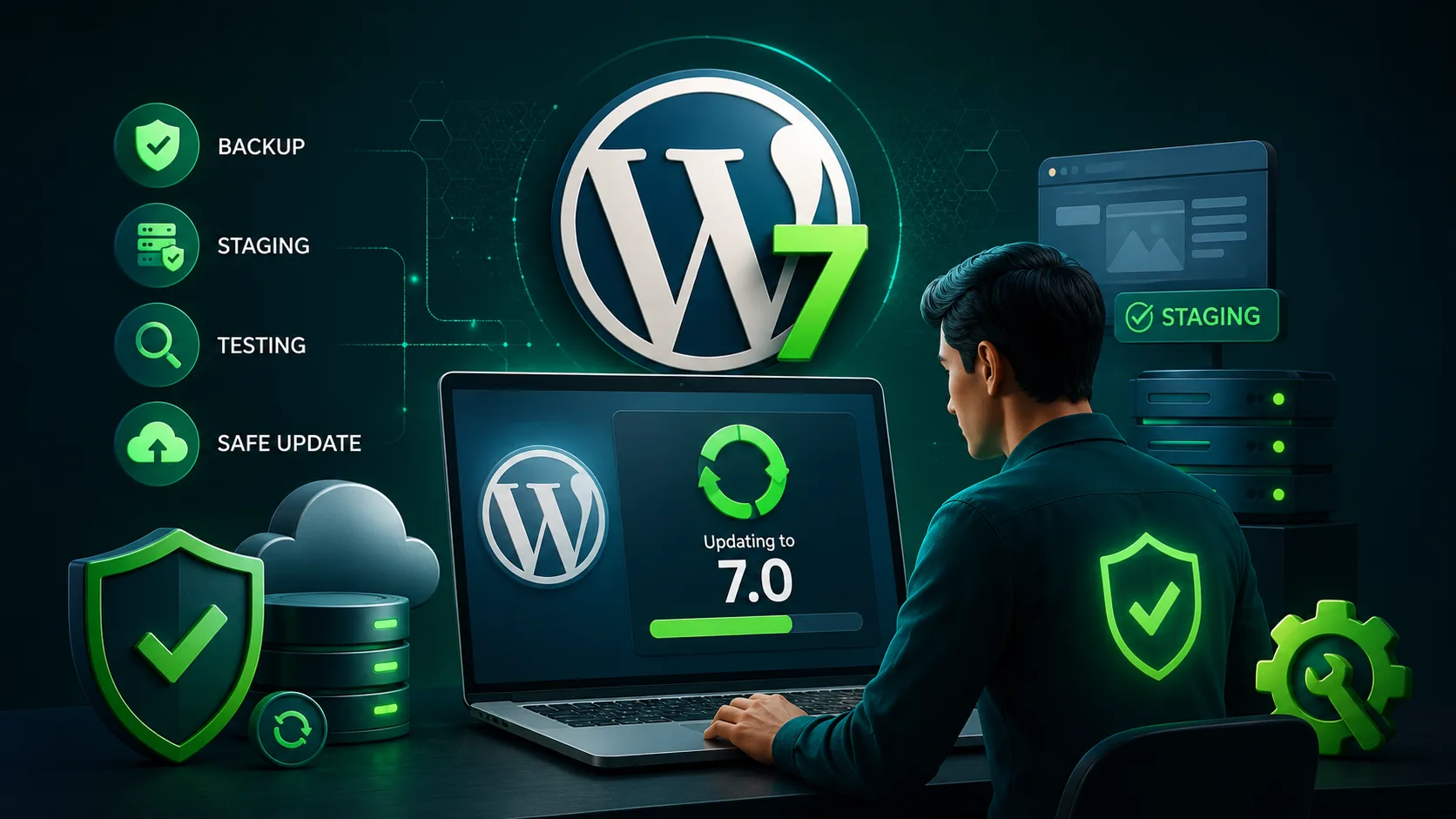
Dependency and Plugin Compatibility Modern websites rely on complex dependency trees. Routine maintenance ensures that updates to one component do not break another. This includes testing updates in a staging environment before pushing to production to prevent user-facing downtime.
Database Optimization Over time, databases accumulate overhead from transactional logs, revisions, and spam. Regular optimization reduces database bloat, ensuring queries execute quickly and the application remains responsive under load.
Disaster Recovery Verification Maintenance is not just about prevention; it is about continuity. Regular protocols include verifying the integrity of off-site backups to ensure that, in the event of catastrophic server failure, the business can be restored to full operation with minimal data loss.
Learn More
Debunking 3 Critical Website Development Myths for Owners
Ads vs. Website Fix: Why Clinic Infrastructure Must Come First
Why Does Your Website Need Regular Maintenance?
Why WordPress Business Websites Need Ongoing Maintenance
Frequently Asked Questions
Find quick answers to common questions about this topic