
In 2026, the digital marketplace is more integrated and intelligent than ever before. Growing a business on Google no longer means just appearing in a list of blue links. It involves navigating a complex landscape of Search Generative Experience (SGE), AI-driven snapshots, and highly personalized user journeys.
For a business to thrive, it must transition from simple keyword targeting to becoming a recognized entity within Google’s Knowledge Graph. This requires a holistic approach that combines technical precision, deep topical authority, and an unwavering focus on user intent.
The following guide outlines the strategic pillars necessary to scale your business visibility and conversion rates on the world’s most powerful search platform. Whether you are a local service provider or a global enterprise, these principles apply to the modern standard of digital excellence.
Establishing Technical Foundations for 2026
Before investing in content or advertising, your digital infrastructure must be flawless. Google’s algorithms increasingly prioritize the "Experience" aspect of their ranking criteria. A website that is slow, insecure, or difficult to navigate will be penalized regardless of its content quality.
Audit your website with TenG Spectrum
Core Web Vitals and User Experience
Google uses Core Web Vitals to measure the health of a site’s user experience. In 2026, these metrics have evolved to include more nuanced interactions. Your site must load instantly and remain stable as users interact with elements.
High interactivity scores and low cumulative layout shifts are essential. If a user clicks a button and there is a perceptible delay, search engines interpret this as a lack of technical quality. This friction directly correlates to lower rankings and higher bounce rates.
Mobile-First Indexing and Adaptive Design
The majority of Google searches now occur on mobile or wearable devices. A mobile-responsive site is the bare minimum requirement. An adaptive design that tailors the experience based on the device’s capabilities is the professional standard.
Text must be legible without zooming, and touch elements should be spaced appropriately to prevent accidental clicks. Google’s mobile-first indexing means the smartphone version of your site is the primary version used for ranking.
12 Strategic Valentine’s Day Marketing Ideas to Boost Revenue in 2026
Mastering Search Generative Experience (SGE) and AEO
Search Generative Experience (SGE) has fundamentally changed how users consume information. Google now provides AI-generated summaries at the top of the search results page. To grow, your business must be cited within these AI snapshots.
Optimizing for Answer Engine Optimization (AEO)
Answer Engine Optimization is the practice of structuring content so that AI models can easily extract and cite your information. This is achieved by providing direct, clear answers to common industry questions.
Using a "Question-Answer" format within your content helps Google identify your site as a direct source of truth. Instead of burying answers in long paragraphs, lead with a concise statement followed by supporting data and context.
Information Gain and Unique Insights
Google now prioritizes "Information Gain." If your content simply repeats what is already on the internet, it provides no new value. To rank in 2026, you must provide unique data, personal experience, or a proprietary perspective that AI cannot simulate.
This could include original case studies, internal data analysis, or expert commentary on industry trends. By offering something new, you give Google a reason to prioritize your website over generic, AI-generated competitors.
Leveraging Google Business Profile for Local Dominance
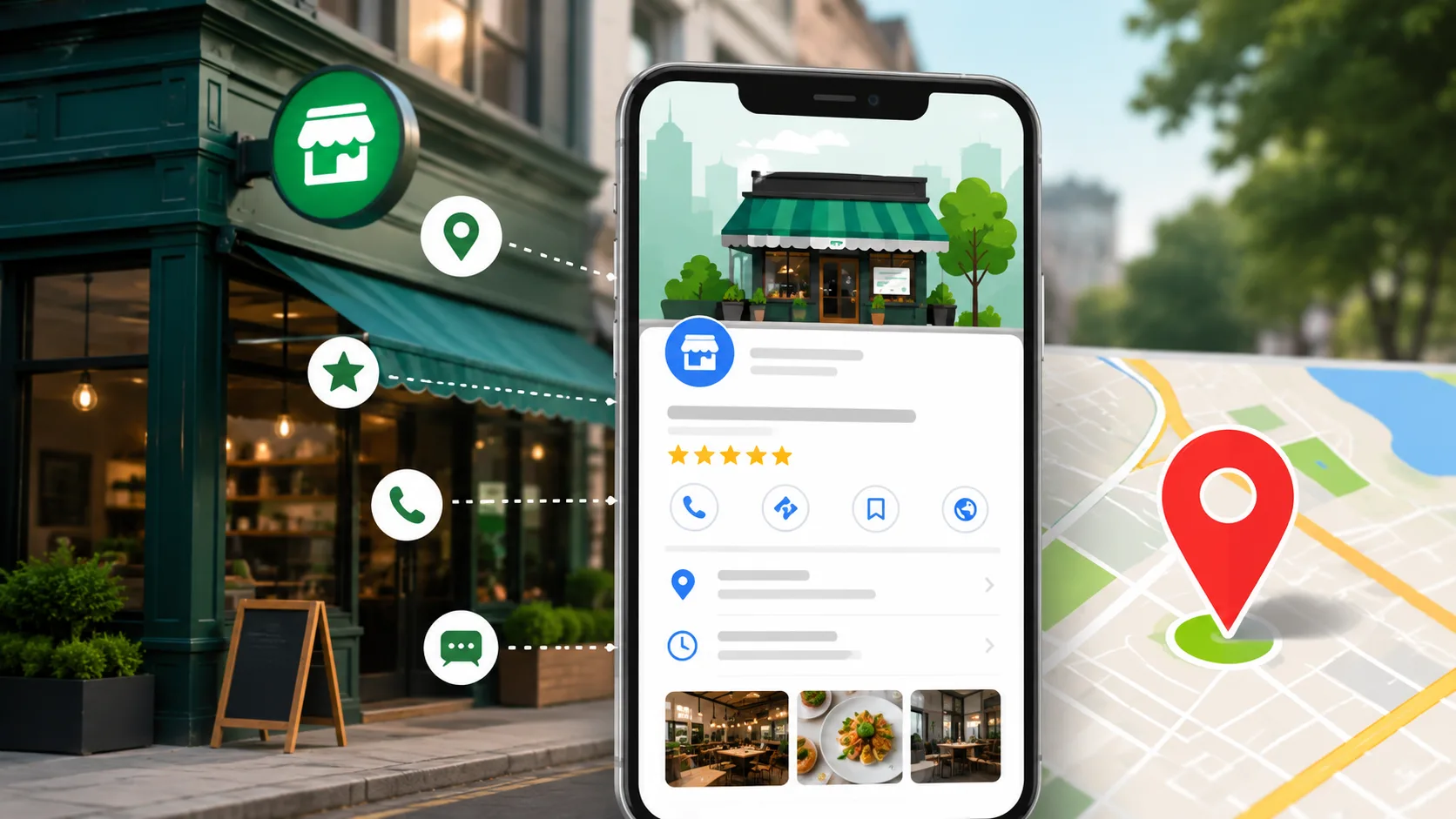
For businesses serving specific geographic areas, the Google Business Profile (GBP) is often more important than the traditional website. It is the primary tool for appearing in the "Local Pack" or "Map Pack."
Optimizing Your Local Presence
A successful GBP strategy involves more than just filling out a form. It requires consistent activity and engagement.
- Accuracy: Ensure your Name, Address, and Phone Number (NAP) are identical across the web.
- Visuals: Regularly upload high-resolution photos and videos of your business operations.
- Updates: Use the "Posts" feature to share news, offers, and events directly on the search results page.
The Role of Reviews and Reputation
In the legal, medical, and service sectors, reviews are a primary conversion factor. Google tracks the frequency, recency, and sentiment of your reviews. Responding to every review—both positive and negative—shows Google that your business is active and cares about client satisfaction.
| Strategy Component | Impact on Ranking | Level of Effort |
| NAP Consistency | High | Low |
| Review Acquisition | Critical | High |
| Photo Updates | Medium | Medium |
| Google Posts | Medium | Low |
High-Authority Content Strategy: E-E-A-T
Google’s E-E-A-T (Experience, Expertise, Authoritativeness, and Trustworthiness) guidelines are the blueprint for high-ranking content. In an era where AI can generate thousands of words in seconds, human-led authority is the ultimate differentiator.
Demonstrating Real-World Experience
Google looks for evidence that the author has actual experience with the topic. For a web development company, this means sharing behind-the-scenes looks at coding challenges. For a law firm, it means discussing the nuances of courtroom strategy.
Including "Author Boxes" with links to professional social profiles and credentials helps verify that a real expert is behind the content. This builds a layer of trust that automated content cannot replicate.
Pillar Pages and Topic Clusters
Instead of targeting individual keywords, aim to "own" a topic. A pillar page is a comprehensive resource on a broad subject. This page then links to multiple "cluster" pages that dive deep into specific sub-topics.
This internal linking logic signals to Google that your site is an exhaustive resource on the matter. When Google sees you have dozens of interlinked articles about a specific niche, it grants your domain higher topical authority.
What Are the Best Ways to Drive Traffic to Your Website for Free?
The Strategic Use of Google Ads (PPC)
Organic growth takes time. To accelerate business growth, a strategic investment in Google Ads is often necessary. This allows you to occupy the top of the search results while your SEO efforts mature.
Performance Max and AI Bidding
In 2026, Google Ads relies heavily on AI-driven campaigns like Performance Max. These campaigns use machine learning to show your ads across Search, YouTube, Display, and Maps based on where a user is most likely to convert.
Success in modern PPC requires high-quality "Creative Assets." This includes compelling headlines, professional imagery, and short-form video. The more high-quality assets you provide the AI, the better it can optimize your budget.
Remarketing and the Multi-Touch Journey
Rarely does a user convert on their first visit. Remarketing allows you to stay in front of people who have previously visited your site as they continue their research on other Google-owned properties. This builds brand familiarity and keeps your business top-of-mind when they are finally ready to make a decision.
Harnessing Video Content via YouTube
YouTube is the second largest search engine in the world and is owned by Google. Video content often appears in standard Google search results, providing a massive opportunity for visibility.
Video SEO Integration
Every video you produce should be optimized with a clear title, detailed description, and timestamps. Timestamps are particularly effective because Google can link users directly to a specific "Key Moment" within your video that answers their search query.
Video allows you to explain complex topics quickly, building a rapport with the viewer that text cannot achieve. It is a powerful tool for demonstrating expertise and humanizing your brand.
Data-Driven Growth: Monitoring and Optimization
You cannot grow what you do not measure. Google provides two essential tools for tracking your business growth: Google Search Console and Google Analytics 4 (GA4).
Google Search Console (GSC)
GSC tells you how Google sees your site. It identifies technical errors, shows you which keywords are driving traffic, and reveals your average position in search results. Monitoring your "Click-Through Rate" (CTR) is vital; if you rank highly but no one clicks, your headlines or meta descriptions likely need improvement.
Google Analytics 4 (GA4)
GA4 tracks what users do once they arrive on your site. By setting up "Conversion Events," you can see exactly which marketing efforts are leading to phone calls, form submissions, or sales. This data allows you to double down on what works and cut what doesn't.
Scale Your Business with TenG Spectrum’s Digital Solutions
Navigating the complexities of Google’s ever-changing algorithms requires a dedicated partner. At TenG Spectrum, we specialize in transforming digital presences into high-performance growth engines. Our remote-first team brings premium expertise in SEO, technical web development, and AI-driven digital strategies to help your business dominate the search results.
From comprehensive site audits to high-authority content creation and precision PPC management, we provide the strategic roadmap your business needs to excel in 2026. We don't just aim for traffic; we aim for the meaningful conversions that drive your bottom line.
Ready to claim your place at the top of Google?
Contact TenG Spectrum today to discuss a custom digital solution that aligns with your business goals and sets you on the path to long-term success.
You might like this Why Google Search Visibility is Critical for Doctors and Hospitals
Frequently Asked Questions
Find quick answers to common questions about this topic