What Are the Best Ways to Drive Traffic to Your Website for Free?
In the current digital landscape, the phrase "if you build it, they will come" is a dangerous myth. Every day, thousands of new websites are launched, adding to an already saturated market. For business owners, medical professionals, and MSMEs (Micro, Small and Medium Enterprises), the challenge isn't just building a website it is ensuring that your target audience can find it.
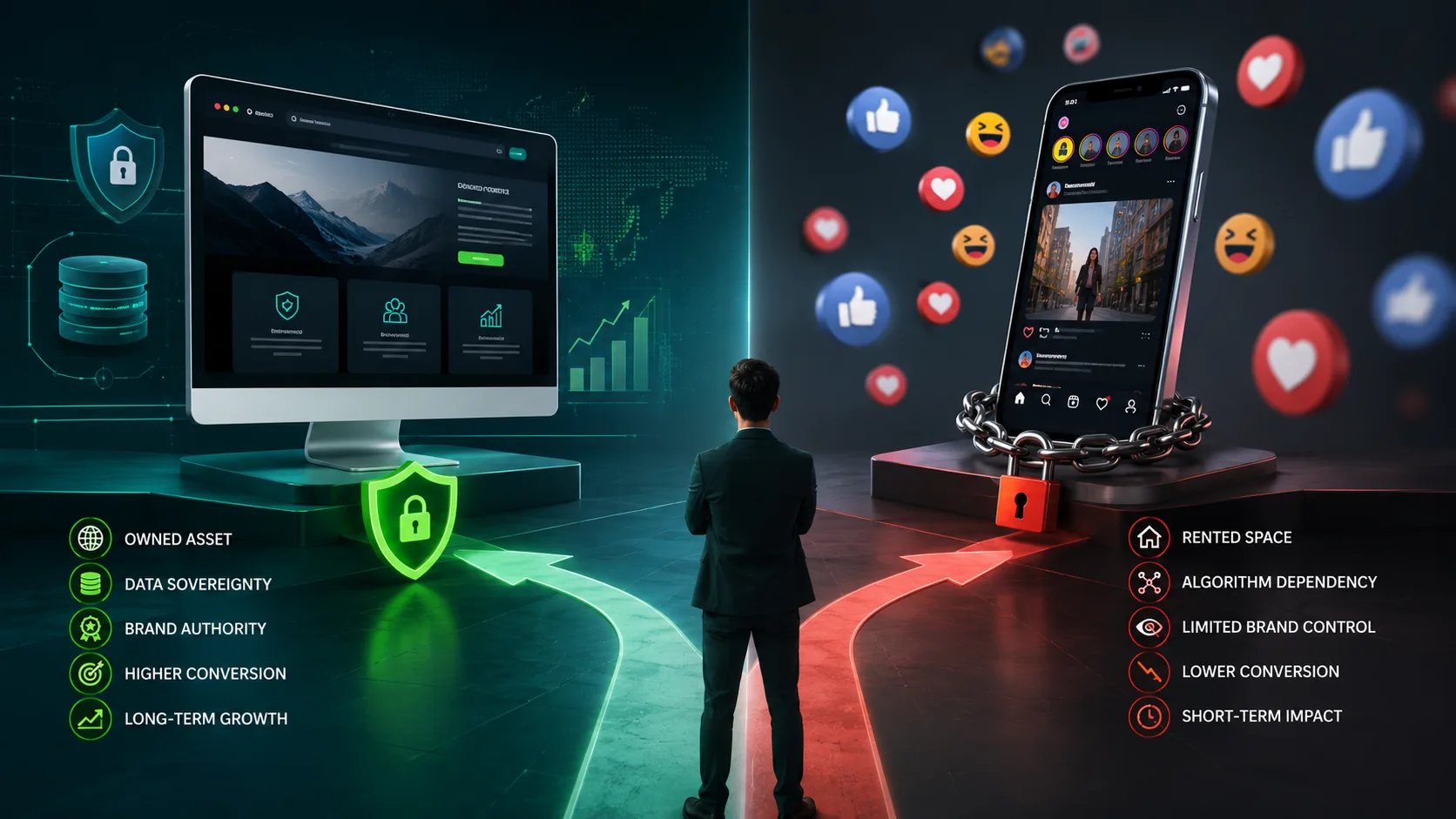
While paid advertising (PPC) offers immediate results, it stops generating leads the moment you stop paying. Organic traffic, however, is an asset. It requires an upfront investment of time and expertise, but once established, it provides a sustainable, long-term flow of potential customers.
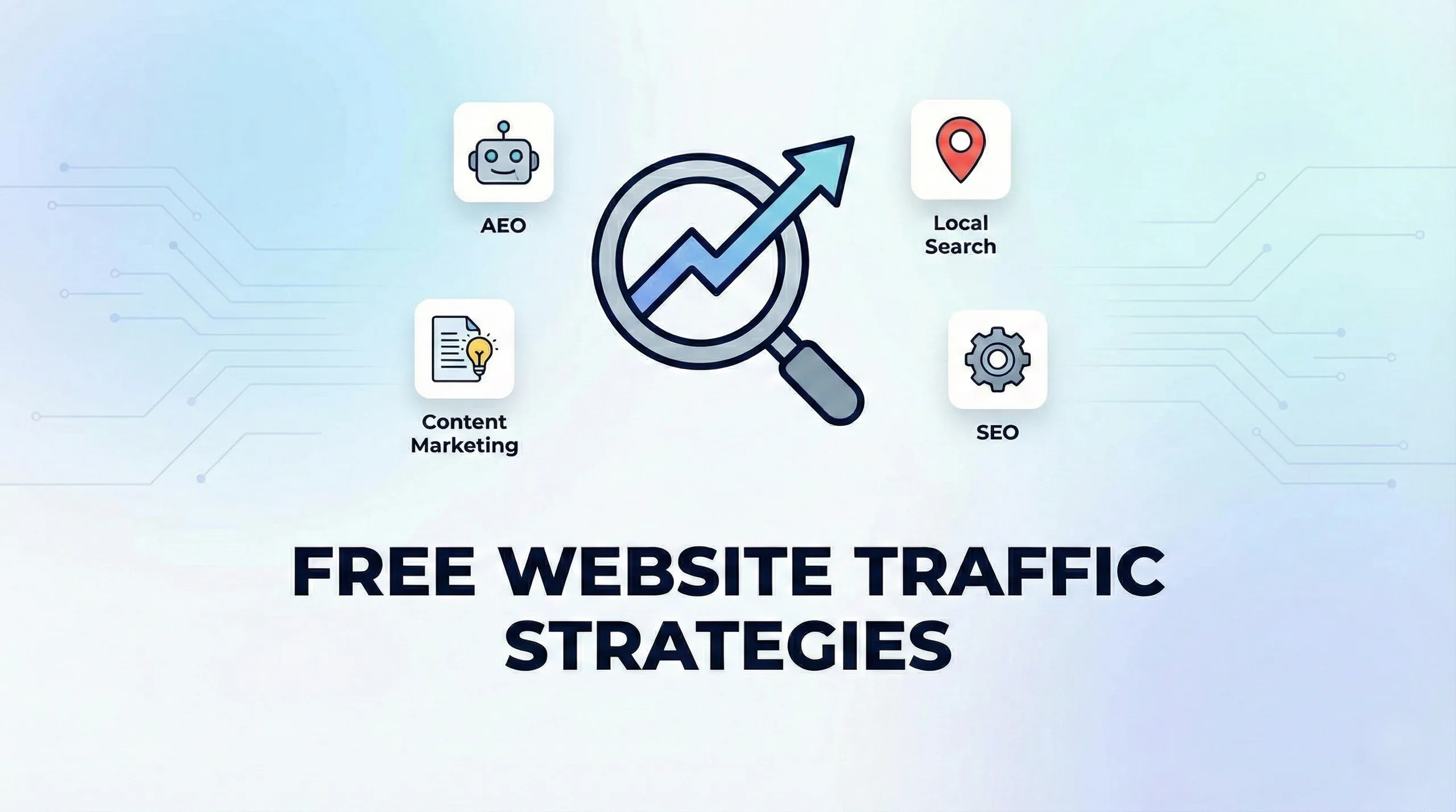
This comprehensive guide explores the most effective, zero-cost strategies to drive high-quality traffic to your website. We will move beyond basic advice and delve into advanced Search Engine Optimization (SEO), Answer Engine Optimization (AEO), and community-driven growth tactics relevant for 2026 and beyond.
Why Your Business Website Isn’t Getting Leads in 2025 (And How to Fix It)
1. Master the Fundamentals of Technical SEO
Before implementing external traffic strategies, you must ensure your website’s infrastructure can support and retain visitors. Search engines like Google will not rank a website that is slow, insecure, or difficult to navigate, regardless of how good the content is.
Core Web Vitals and Page Speed
Google uses "Core Web Vitals" as a ranking factor. These metrics measure user experience, focusing on loading performance, interactivity, and visual stability.
- Loading: Your main content should load in under 2.5 seconds.
- Interactivity: The site should respond to clicks almost instantly.
- Stability: Elements shouldn't shift around while the page loads (preventing accidental clicks).
If your website is slow, users will bounce back to the search results. High bounce rates signal to Google that your site is not a good result, which will lower your rankings. Use free tools like Google PageSpeed Insights to diagnose and fix these issues.
Mobile-First Indexing
Since 2019, Google has primarily used the mobile version of the content for indexing and ranking. If your site looks great on a desktop but breaks on a smartphone, you are invisible to more than 60% of web traffic. Ensure your design is responsive, meaning it automatically adjusts to fit any screen size.
Secure Sockets Layer (SSL)
Ensure your website uses HTTPS (Hypertext Transfer Protocol Secure). Browsers like Chrome now flag non-secure sites (HTTP) as "Not Secure," which scares away visitors and hurts your search rankings.
What Is Bot Traffic & How To Stop It (Practical Guide)
2. Leverage Answer Engine Optimization (AEO)
As we move into 2025, search behavior is changing. Users and voice assistants like Siri, Alexa, and Google Assistant are looking for direct answers, not just a list of links. This shift has given rise to Answer Engine Optimization (AEO). AEO focuses on optimizing your content to be the direct answer provided by AI overviews and voice search.
How to Optimize for AEO
To capture this traffic, you must structure your content to answer questions concisely.
- Q&A Formatting: Use H2 or H3 headers to ask a specific question (e.g., "How does SEO help medical practices?").
- The "Direct Answer" Block: Immediately following the header, provide a clear, concise answer in 40–60 words. This increases the likelihood of your content being featured in "Position Zero" (Featured Snippets) or AI-generated summaries.
- Conversational Tone: Write as if you are speaking to the user. Voice search queries are often longer and more natural (e.g., "What is the best digital marketing strategy for small businesses?") rather than robotic keywords.
3. Dominate with Long-Tail Keywords
One of the biggest mistakes business owners make is targeting broad, high-volume keywords. A new dental clinic is unlikely to rank for the word "dentist" against established national chains. However, they can rank for "best pediatric dentist in [City Name] for nervous patients."
These specific, multi-word phrases are called long-tail keywords. While they have lower search volume individually, they collectively account for the majority of web traffic and have a much higher conversion intent.
Comparison: Short-Tail vs. Long-Tail Keywords
| Feature | Short-Tail Keyword | Long-Tail Keyword |
| Example | "Shoes" | "Men's waterproof running shoes size 10" |
| Search Volume | Very High | Low to Medium |
| Competition | Extremely High | Low |
| User Intent | Vague (Browsing) | Specific (Ready to Buy/Act) |
| Conversion Rate | Low | High |
Actionable Strategy:
Use free tools like Google Trends or the "People Also Ask" section in Google Search results to identify long-tail questions your customers are asking. Create dedicated blog posts or service pages that address these specific queries.
Why You Need SEO in India: Unlocking Growth for Your Business
4. Maximize Local Visibility with Google Business Profile
For MSMEs, medical professionals, and local service providers, Local SEO is the single most effective "free" traffic source. When users search for services "near me," Google displays the "Local Pack" a map view with three top business listings.
Optimizing Your Profile
Simply claiming your Google Business Profile (GBP) is not enough. You must actively manage it:
- Complete Every Section: Fill out your business hours, services, and attributes (e.g., "Wheelchair accessible," "Women-owned").
- Regular Updates: Post weekly updates on your GBP. Treat it like a social media feed where you share offers, new blog posts, or clinic updates.
- Visuals: Upload high-quality photos of your office, team, and products. Listings with photos receive 42% more requests for driving directions.
- Reviews: Actively encourage satisfied clients to leave reviews. Reply to every review—positive or negative. This shows Google that you are an active, trustworthy business.
5. Build Content Hubs (Topic Clusters)
Search engines view websites as authoritative when they cover a topic comprehensively. Instead of writing random blog posts, organize your content into "clusters."
The Pillar Page Strategy
- Pillar Page: Create one comprehensive guide on a broad topic (e.g., "Complete Guide to Digital Marketing").
- Cluster Content: Write 5–10 smaller, specific articles related to that topic (e.g., "Email Marketing Tips," "Social Media Trends," "SEO Basics").
- Internal Linking: Link all these specific articles back to the main Pillar Page, and link the Pillar Page to the specific articles.
This structure tells search engines that your website is an authority on this subject. It also keeps users on your site longer as they click from one related article to another, reducing bounce rates and signaling quality to Google.
6. Strategic Community Engagement
Posting links to your website on social media without context is rarely effective. To drive free traffic, you must engage where your audience already gathers. This applies particularly to B2B businesses and niche service providers.
Reddit and Quora
These platforms are goldmines for targeted traffic.
- Search for relevant topics: Find threads where people are asking questions related to your industry.
- Provide value first: Write a helpful, detailed answer directly in the platform. Do not just drop a link.
- Link naturally: At the end of your helpful answer, add a link to a relevant blog post on your site for users who want to "read more."
- Trust factor: Users on these platforms are skeptical of self-promotion. If your advice is genuinely helpful, they will trust your link.
LinkedIn for B2B
For professional services, LinkedIn is invaluable.
- Publish Articles: Use LinkedIn’s article feature to publish summaries of your blog posts, then link to the full version on your website.
- Comment Insightfully: meaningful comments on industry leaders' posts can drive profile visits, which then funnel to your website.
Do I Really Need SEO for My Website in 2025?
7. Repurpose Content for Multiple Channels
Creating high-quality content takes time. To maximize your return on investment (ROI), you should repurpose a single piece of content into multiple formats to drive traffic from different sources.
The Repurposing Workflow:
- Write a Blog Post: A 2,000-word detailed guide.
- Create a YouTube Video: Use the blog headers as a script outline. YouTube is the second largest search engine in the world; place your website link in the video description.
- Social Snippets: Turn interesting statistics or quotes from the blog into graphics for Instagram or LinkedIn.
- Newsletter: Send a summary of the post to your email list with a "Read More" link.
This approach ensures that one effort drives traffic from search engines, video platforms, and social media simultaneously.
8. Guest Blogging and Strategic Partnerships
Backlinks (links from other websites to yours) are a primary ranking factor for Google. They act as "votes of confidence." One of the best ways to earn high-quality backlinks for free is through guest blogging.
How to execute this:
- Identify reputable non-competitor websites in your industry. For example, a web development agency might partner with a graphic design firm.
- Pitch a unique, high-value article topic to them.
- In the article, include a link back to your website (often in the author bio or within the content if relevant).
This strategy drives referral traffic from their audience and boosts your SEO authority, helping your own pages rank higher.
9. Utilize Email Marketing (Retention Traffic)
While most strategies focus on acquiring new visitors, the most valuable traffic often comes from returning visitors. Email marketing allows you to "own" your traffic source, rather than relying on search engine algorithms.
- Lead Magnets: Offer a free resource (e.g., a checklist, a PDF guide, or a discount code) in exchange for a visitor's email address.
- Nurture Sequences: Send regular, valuable content that directs subscribers back to your latest website articles or service pages.
- Consistency: A weekly or bi-weekly newsletter keeps your brand top-of-mind. When subscribers are ready to buy, they will come to you.
Unlock Your Digital Potential with TenG Spectrum
Driving free traffic to your website is a journey that requires consistency, technical know-how, and a strategic approach to content. While the "free" strategies listed above are powerful, executing them effectively takes time to time that you might prefer to spend managing your business or treating patients.
At TenG Spectrum, we specialize in turning websites into powerful business assets. Whether you need a premium website overhaul, advanced SEO execution, or a comprehensive digital strategy tailored to your industry, our remote team of experts is ready to deliver results.
Ready to elevate your online presence?
Contact TenG Spectrum today to discuss how we can drive sustainable growth for your business.
Frequently Asked Questions
Find quick answers to common questions about this topic