Modern digital marketing has shifted from basic keyword matching to comprehensive, intent-driven ecosystems. Businesses can no longer rely on disjointed social campaigns or unoptimized web properties to drive long-term revenue. Success requires an interconnected approach that unites brand storytelling, high-performance web architecture, and answer-focused discovery.
Consumer expectations are higher than ever before. Audiences evaluate brands based on technical speed, ethical values, and personalized communication. Organizations that adapt to intelligent search algorithms and automated user journeys consistently outperform competitors relying on outdated playbooks.
Navigating these changes requires a clear roadmap. This analysis examines the major shifts shaping modern digital marketing, delivering practical strategies to build authority, capture verified demand, and maintain enterprise growth.
Why Customers Buy From Businesses They Feel Familiar With
1. The Modern Evolution of Digital Marketing
Marketing has always served as the bridge between corporate innovation and consumer adoption. As digital interfaces become deeply integrated into everyday life, the mechanics of building brand trust continue to transform.
Old marketing frameworks depended on volume. Companies published generic articles and spent heavily on broad banner impressions. Today, algorithmic feeds prioritize context, engagement depth, and authentic subject-matter expertise.
Modern business leaders must balance creative storytelling with rigorous data analysis. Creating high-impact campaigns requires understanding how customers discover information across multiple connected devices, voice assistants, and personalized AI environments.
2. Dominance of Short-Form Video in Modern Marketing
Short-form video remains one of the most effective storytelling mediums for modern organizations. Platforms like YouTube Shorts, Instagram Reels, and TikTok are no longer reserved solely for casual entertainment. They have become primary search engines for consumers seeking rapid, visual solutions.
25 Marketing Ideas for Hospitals to Attract Patients in 2026
Both B2B and B2C organizations leverage vertical video to break down complex technical topics into clear, visual takeaways. Visual clarity captures user attention in an era where browsing habits favor immediate answers.
Why Short-Form Video Drives Higher Conversion Rates
Short-form content succeeds because it eliminates unnecessary narrative friction. Instead of navigating lengthy promotional copy, users observe direct product applications, software workflows, or executive perspectives within thirty seconds.
This format also feeds modern discovery algorithms effectively. When an audience member watches a focused video to completion, search engines recognize the topical authority of the creator. This interaction lifts discoverability across connected social and web ecosystems.
FIFA World Cup 2026 Marketing Strategies: Digital Lessons for Business
Practical Production Principles for Short-Form Media
- Focus on a single problem per clip to avoid overwhelming the viewer.
- Introduce the primary thesis or visual hook within the first three seconds.
- Incorporate readable subtitles and clear graphical overlays to support sound-off viewing.
- Align video takeaways with dedicated technical landing pages on your primary website.
3. Brand Identity, Ethical Purpose, and Audience Trust
Audiences make conscious purchasing decisions based on corporate alignment and transparent business values. Consumers actively research how companies source materials, protect user privacy, and conduct daily business operations.
When an organization fails to live up to its stated mission, audience response is swift. Modern consumers readily abandon brands that prioritize short-term profit over accountability or clear communication.
Authentic value alignment requires steady demonstration across every touchpoint. Companies must ensure their corporate actions match their published promotional material across all digital channels.
Structural Comparison: Outdated Marketing vs Modern Strategies
| Marketing Dimension | Legacy Marketing Frameworks | Modern 2026 Strategic Framework |
| Content Creation | Broad keyword stuffing and mass production | High-value, specialized knowledge solving specific problems |
| Search Target | Simple search engine keyword rankings | Generative AI citations and Answer Engine Optimization |
| Video Production | Elaborate, expensive commercial spots | Agile, educational vertical video focused on utility |
| Data Governance | Third-party cookie tracking scripts | Clean first-party data capture with user transparency |
| Website Performance | Bulky page builder templates | Modular, fast architectures with sub-second loading |
| User Discovery | Interrupted banner ads and pop-ups | Native integration and educational knowledge delivery |
4. The Rise of Native Advertising and Contextual Placements
Traditional outbound banner ads continue to face declining performance due to ad fatigue and widespread browser privacy controls. Modern audiences prefer contextual, educational material that fits naturally into their reading routines.
Native advertising integrates brand positioning into authoritative publications, industry journals, and contextual feed experiences. By providing genuine industry insight rather than disruptive sales pitches, businesses educate prospects without frustrating them.
This contextual model helps enterprises reach qualified decision-makers who actively tune out conventional advertising. Providing valuable data within native editorial placements builds long-term industry credibility.
5. Artificial Intelligence in Creative Execution and Analytics
Artificial intelligence has evolved beyond simple text drafting into a strategic engine for marketing operations. Progressive organizations use machine learning to analyze user behavior, personalize web experiences, and automate routine technical workflows.
Rather than publishing generic automated copy, leading teams deploy AI to process customer feedback, run multivariate landing page tests, and uncover structural technical errors across vast web directories.
This balanced workflow frees human strategists to focus on proprietary research, technical system architecture, and original brand perspectives that automated tools cannot replicate.
AI Data Analysis -> Insight Discovery -> Expert Human Strategy -> Scalable Production
Human oversight ensures every asset meets strict quality thresholds, reinforces technical accuracy, and reflects the true voice of the company.
6. Modern Content Marketing Ecosystems
Informational searches precede almost every commercial transaction. Decision-makers read multiple research briefs, whitepapers, and guides before booking a discovery call or completing a checkout.
Effective content marketing requires creating interconnected digital assets that educate prospects through every stage of their evaluation cycle.
Podcasting and Episodic Audio
Podcasts provide an intimate platform for in-depth technical discussions, founder interviews, and architectural breakdowns. B2B service firms use audio programming to discuss operational challenges and validate their market authority.
Audio listeners frequently convert into long-term enterprise clients because long-form conversations establish trust that brief social updates cannot match.
Authoritative Technical Blogging
Long-form written guides remain an essential cornerstone of modern digital strategy. Unlike fleeting social media posts, a well-researched article acts as a permanent corporate asset that attracts organic search traffic for years.
Modern blogs must focus on comprehensive depth, practical code examples, transparent comparison frameworks, and actionable architectural guidance to capture search visibility.
Data Visualization and Technical Infographics
Dense statistical data and complex system integrations are often best explained visually. High-resolution technical diagrams, visual architecture maps, and clean infographics simplify complex concepts for executive teams.
Visual assets generate natural backlinks from reputable trade journals, enhancing your domain authority and organic search footprint.
7. Social Commerce and Omni-Channel Audience Discovery
Social platforms have completed their transition into comprehensive product discovery and purchasing engines. Business professionals and direct consumers increasingly source, evaluate, and purchase solutions directly within native social environments.
Visual search, integrated product tags, and frictionless mobile checkouts allow users to complete purchases immediately after discovering an item or service.
Social Discovery -> Native Verification -> Frictionless Checkout -> First-Party CRM Onboarding
To capitalize on this behavior, enterprises must coordinate their inventory management, custom e-commerce engines, and social storefronts into a unified, reliable infrastructure.
Website vs Social Media: Strategic Choice for Business Growth in 2026
8. Answer Engine Optimization: Structuring for AI and Conversational Search
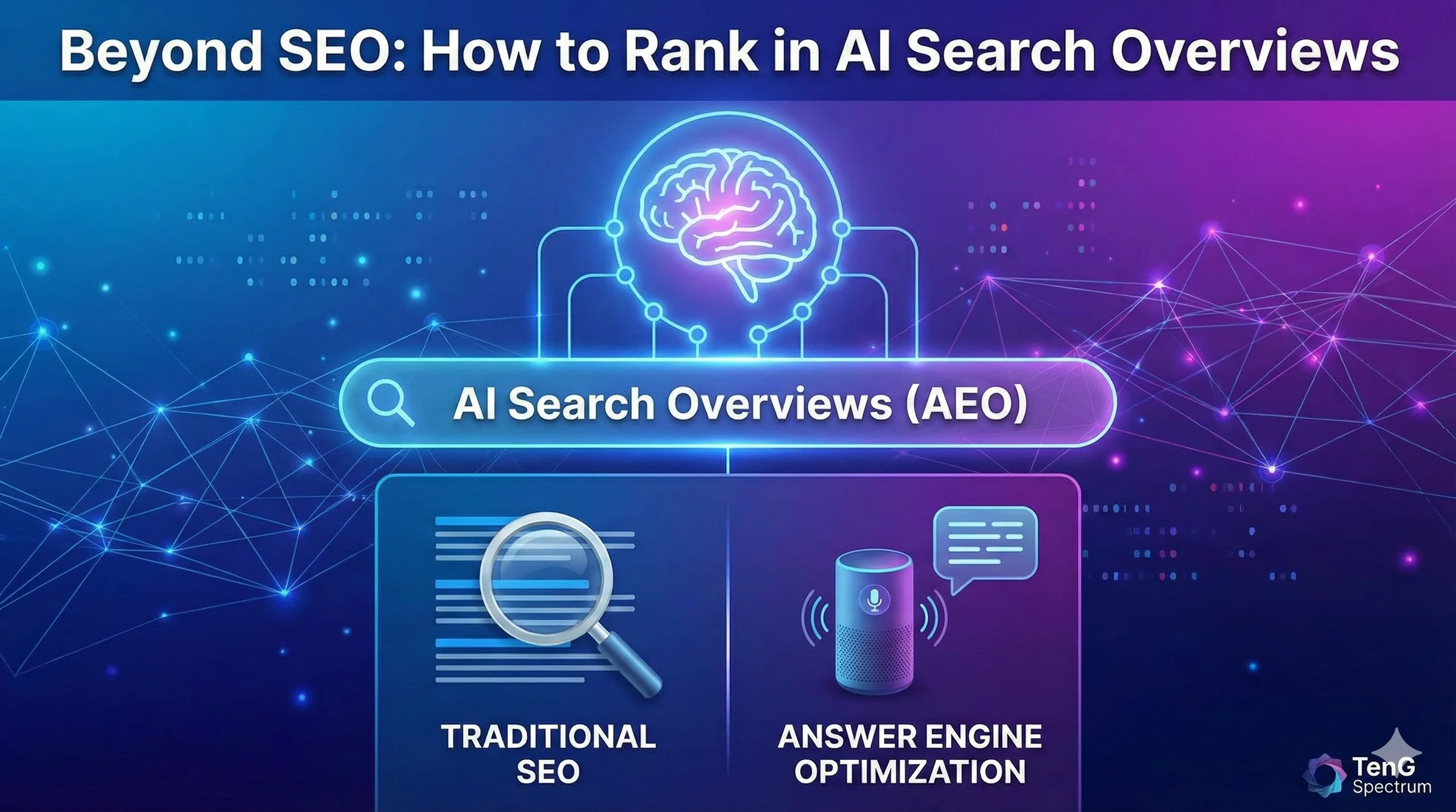
Search Engine Optimization has expanded into Answer Engine Optimization (AEO). Modern internet users no longer search exclusively through simple keyword queries in standard search bars. They frequently ask conversational questions within AI tools and voice-enabled interfaces.
These intelligent systems analyze web properties to generate synthesized answers for users. To appear within these AI-generated summaries, websites must present clear factual answers, structured data schemas, and verifiable industry references.
How Does Answer Engine Optimization Differ From Traditional SEO?
Answer Engine Optimization focuses on providing direct, authoritative answers to precise questions rather than optimizing solely for broad keyword rankings. While traditional SEO optimizes for page rank and search engine listing clicks, AEO structures technical content so AI engines can extract, verify, and cite your data directly inside conversational summaries.
What are the Most Effective Ways to Optimize Content for Generative AI Citations?
- Implement comprehensive JSON-LD schema markup for organizations, technical articles, and frequently asked questions.
- Structure core content using clear descriptive headings followed by immediate, factual answers.
- Publish verifiable proprietary data, original industry research, and direct operational case studies.
- Maintain fast, cleanly coded web architectures that allow search bots to index your site without hitting resource limits.
Why is Web Architecture Vital for Modern Search Discoverability?
Search engines and AI indexing systems allocate limited crawl budgets to every website. Bloated code, unoptimized scripts, and slow database queries make it difficult for crawlers to index your content properly.
High-performance websites built with clean code and modern caching mechanisms ensure search algorithms discover, index, and surface your content ahead of slower competitors.
9. Foundational Web Performance and Digital Infrastructure
No digital marketing campaign can succeed if the destination website is slow, unstable, or poorly designed. Web performance directly affects conversion rates, ad quality scores, and search engine visibility.
A delay of just two seconds can cause bounce rates to spike dramatically, especially on mobile devices. Premium digital solutions prioritize sub-second loading speeds, semantic markup, and reliable database structures.
Clean Codebase + Optimized Database -> Sub-Second Load Speeds -> Higher Conversions & Search Rankings
Modern brands run best on lightweight, scalable web architectures. Deploying lean code, optimizing server response times, and using responsive image formats ensures an exceptional experience for every visitor.
10. Data Privacy, First-Party Data, and Security Imperatives
The gradual phaseout of third-party cookies and the introduction of strict global privacy laws have permanently altered digital tracking. Marketers can no longer rely on unverified third-party trackers to manage campaign performance.
Sustainable marketing frameworks depend on clean, transparent first-party data collection. Companies must earn user consent by providing clear value in exchange for customer information.
Core Data Security Requirements for Modern Enterprises
- Deploy modern transport security encryption across every digital domain and subdomain.
- Maintain strict DMARC, DKIM, and SPF email records to prevent unauthorized brand spoofing.
- Implement advanced bot mitigation on all forms to protect lead capture systems from spam floods.
- Provide transparent, accessible privacy controls that let users manage their personal preferences easily.
Investing in secure customer data management protects your brand reputation and builds lasting consumer trust.
11. Strategic Next Steps for Modern Brands
Sustainable digital marketing requires more than following temporary trends. It demands a dependable digital foundation that unites high-performance web engineering, strategic content distribution, and modern search optimization.
Every channel must work together. Your short-form video campaigns should direct audiences to fast, secure landing pages. Your technical articles must answer user questions clearly to secure generative AI citations. Most importantly, your internal data systems must safeguard customer information with absolute transparency.
By modernizing your marketing architecture, removing legacy software bloat, and focusing on genuine user value, your organization will build a resilient digital presence that drives business growth for years to come.
Elevate Your Digital Strategy with TenG Spectrum
Executing an enterprise digital marketing strategy requires a dependable technical foundation. TenG Spectrum builds custom, high-performance websites and creates tailored digital solutions designed to help remote, agile businesses scale efficiently.
Whether you need to re-engineer your core web architecture for speed, optimize your digital footprint for modern search engines, or develop custom software tailored to your workflows, our team delivers clean, reliable results.
Contact TenG Spectrum today to discuss your digital strategy and build a modern, high-performing web presence for your brand.
Frequently Asked Questions
Find quick answers to common questions about this topic