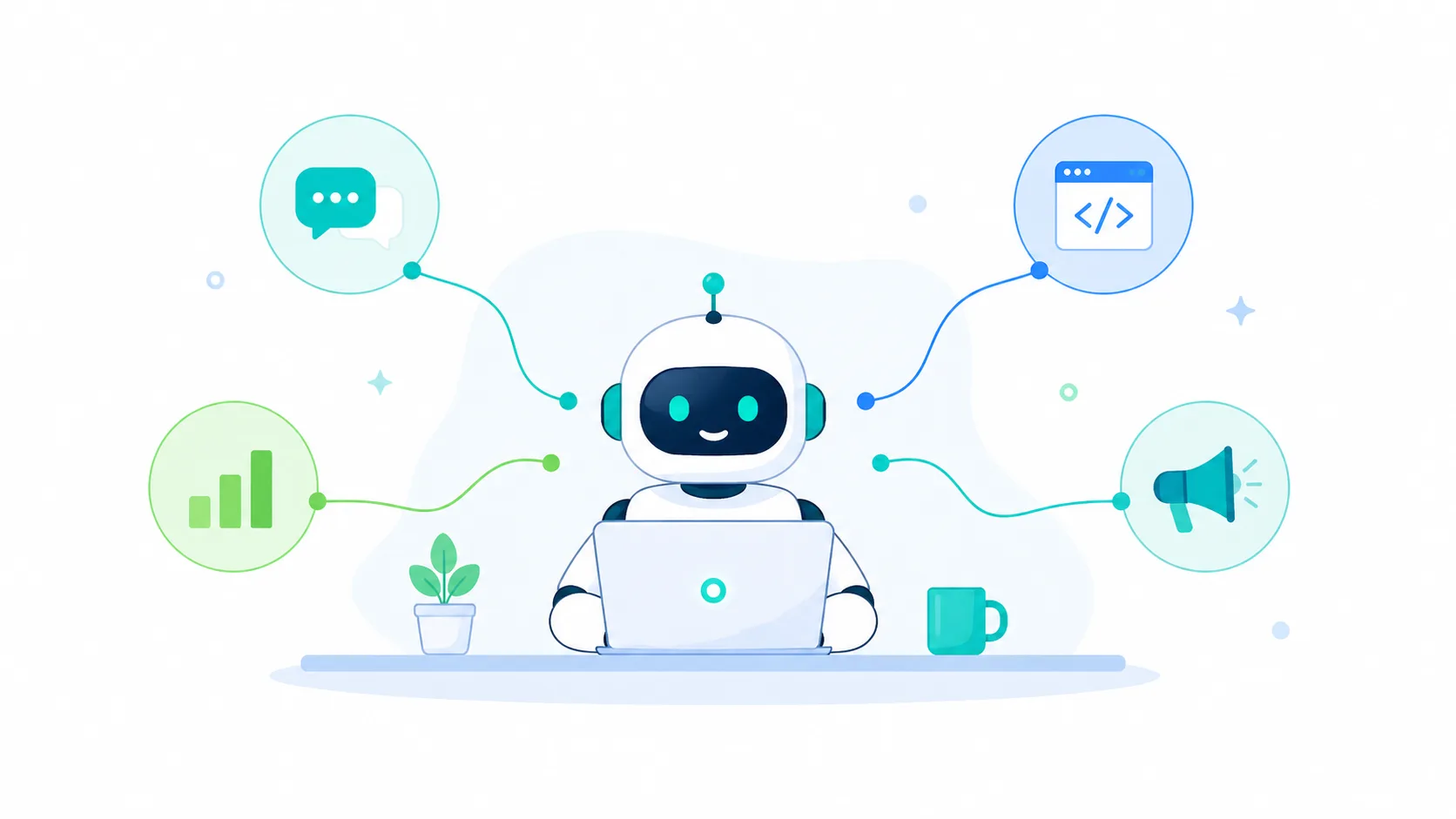
You’ve probably heard the term Artificial Intelligence (AI) more than ever in recent years. From smartphones and voice assistants to self-driving cars and ChatGPT, AI seems to be powering everything around us.
But what really is AI? And what do terms like Machine Learning, Neural Networks, or Natural Language Processing mean?
If you’re a business owner, student, or someone interested in tech, this blog will help you understand Artificial Intelligence in simple language—plus all the related tech terms you often hear with it.
Let’s break it down.
What is Artificial Intelligence (AI)?
Artificial Intelligence is a branch of computer science focused on creating machines or software that can perform tasks that usually require human intelligence.
This includes:
-
Learning from experience (like humans do)
-
Understanding natural language (like Siri or Alexa)
-
Recognizing patterns (like face detection in photos)
-
Making decisions (like a self-driving car deciding when to stop)
Simply put:
AI is about making computers “smart” so they can think, learn, and act like humans.
Real-Life Examples of AI
-
Voice Assistants: Siri, Alexa, Google Assistant
-
Chatbots: Customer service bots on websites
-
Netflix Recommendations: Suggesting what to watch based on your past views
-
Google Translate: Translating between languages
-
Self-Driving Cars: Tesla using sensors and AI to drive safely
-
ChatGPT: Generating human-like text replies
Why Is AI So Important?
AI is shaping the future of industries and the way we live, work, and communicate. It’s used in:
-
Healthcare (diagnosing diseases faster)
-
Education (personalized learning platforms)
-
Business (automating customer support)
-
Finance (fraud detection and smart investing)
-
Manufacturing (robotics and predictive maintenance)
Key Related Tech Terms in AI (Explained Simply)
To understand AI deeply, let’s explore some important related terms you’ll often hear.
1. Machine Learning (ML)
Machine Learning is a subset of AI where machines learn from data instead of being manually programmed.
Example:
If you give a system thousands of pictures of cats and dogs, it can “learn” to identify which is which.
Think of ML as the “learning engine” behind AI.
2. Deep Learning
Deep Learning is a type of machine learning that uses neural networks—inspired by how the human brain works.
It’s powerful for handling:
-
Voice recognition
-
Image classification
-
Language translation
Example: Deep learning is what powers ChatGPT, facial recognition systems, and Google’s photo sorting.
3. Neural Networks
A neural network is a structure made of layers of interconnected nodes (neurons) that simulate how a brain thinks.
These networks can:
-
Find complex patterns in data
-
Improve their accuracy over time
-
Handle massive datasets with precision
They are widely used in image processing, deepfake detection, fraud prevention, and even in gaming.
4. Natural Language Processing (NLP)
NLP allows machines to understand and process human language (spoken or written).
Example: When you type “What’s the weather today?” into Google or talk to Alexa, NLP helps the system understand and respond correctly.
Used in:
-
Chatbots
-
Language translation
-
Text summarization
-
Sentiment analysis
5. Computer Vision
Computer Vision enables machines to see and interpret the world visually, just like humans.
It powers:
-
Face recognition in phones
-
Barcode scanning
-
Object detection in CCTV
-
Autonomous vehicles reading traffic signs
6. Robotics
AI-powered robots can:
-
Move around
-
Take actions
-
Understand environments
-
Perform complex tasks without human help
You’ll see robots in industries, logistics, hospitals, and even homes (like robotic vacuum cleaners).
7. Automation
AI often works hand-in-hand with automation to handle repetitive or rule-based tasks.
For example:
-
Auto-reply emails
-
Smart scheduling tools
-
Inventory management systems
-
Manufacturing line robots
Automation saves time, reduces errors, and boosts productivity.
8. Generative AI
This is a newer branch of AI that can create new content such as:
-
Text (like ChatGPT)
-
Images (like DALL·E or Midjourney)
-
Videos, music, and even code
It’s used in marketing, entertainment, design, and even education.
9. AI Ethics & Bias
As powerful as AI is, it’s important to talk about the ethical side:
-
AI can inherit human biases if not trained properly
-
Decisions made by AI (like hiring or loans) must be fair
-
Data privacy and transparency must be ensured
This is a rising concern for tech companies and governments worldwide.
How AI is Changing the World (Quick Points)
-
Businesses use AI to make better decisions with data
-
Schools use AI for personalized learning paths
-
Doctors use AI to detect diseases early
-
Farmers use AI for crop monitoring and yield prediction
-
Marketers use AI to create content and analyze campaigns
AI is no longer “the future”—it’s the present.
Should You Learn AI or Use It in Your Business?
Yes. Whether you're a student, freelancer, or entrepreneur, understanding AI will help you:
-
Stay relevant in a tech-driven job market
-
Automate repetitive tasks
-
Make smarter business decisions
-
Build or use tools that scale faster
Artificial Intelligence is no longer science fiction. It's real, growing fast, and already embedded in our lives—from how we search online to how businesses make decisions.
Understanding AI and its related tech terms helps you not just stay informed but also stay competitive—whether you're a tech enthusiast, business owner, or student.
And if you're looking to integrate AI features into your website or app, TenG Spectrum can help with AI-driven automation, smart integrations, and business transformation strategies.
Want to implement AI tools for your website, content, or customer experience? Let TenG Spectrum guide your digital journey today.
Frequently Asked Questions
Find quick answers to common questions about this topic