What is a VPN?
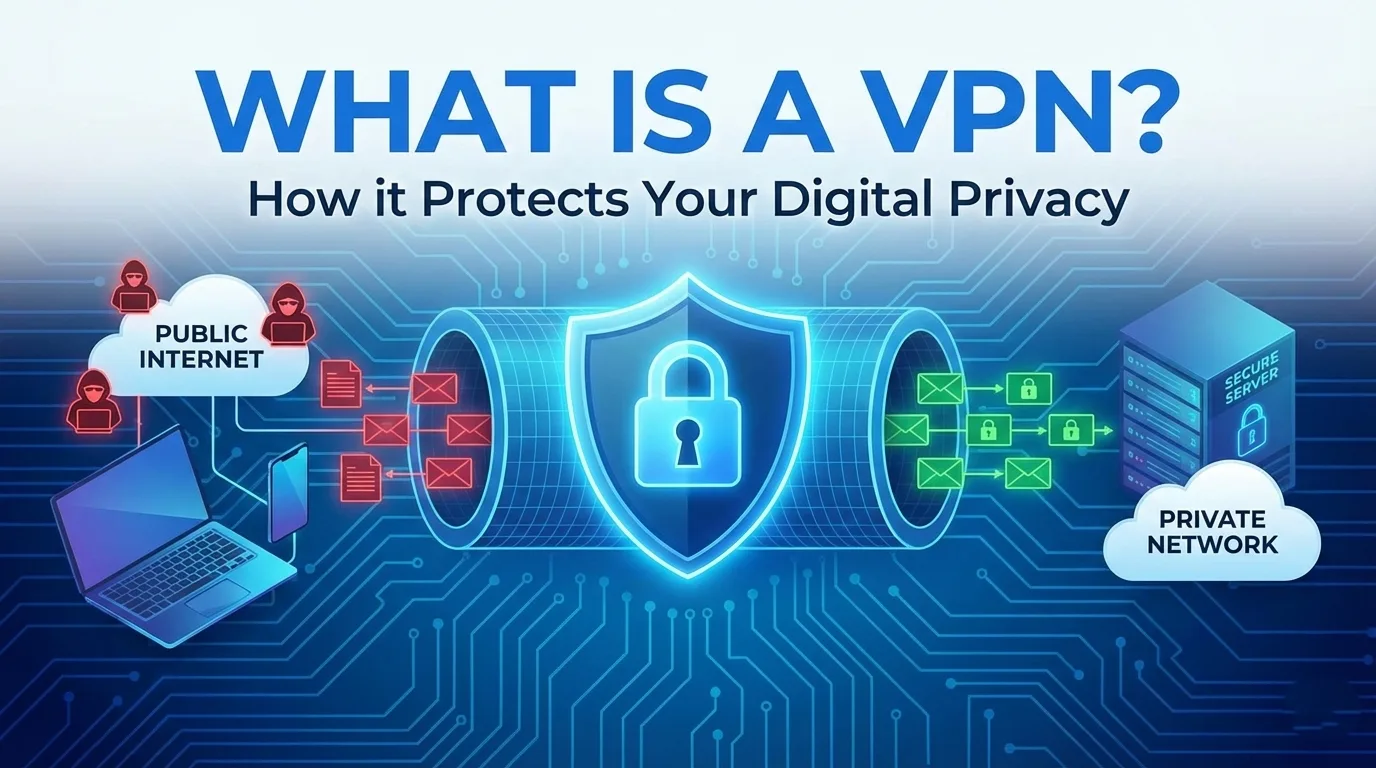
A Virtual Private Network (VPN) is a service that establishes a secure, encrypted tunnel between your device and the internet. It masks your IP address and encrypts all transmitted data, ensuring that your online activities remain private and protected from unauthorized third parties, ISPs, and cyber threats.
How to Protect Your VPS from DDoS Attacks
The Mechanics of Digital Privacy
A VPN functions by rerouting your internet traffic through a remote server operated by the VPN provider. This process replaces your actual IP address with one from the server, effectively hiding your physical location. By utilizing advanced encryption protocols, the VPN ensures that even if data is intercepted, it remains unreadable to anyone without the decryption key.
In the modern enterprise landscape, VPNs are essential for maintaining a secure perimeter. They allow remote teams to access internal corporate networks without exposing sensitive assets to the public internet. This architecture mitigates risks associated with data breaches and man-in-the-middle attacks, which are prevalent in unsecured network environments.
Core Components of a Secure VPN
To understand how a VPN maintains high-level security, it is important to look at its primary functional pillars.
Why TenG Spectrum is Your Ideal Digital Transformation Partner: Beyond the Agency Model
End-to-End Encryption
Encryption is the cornerstone of a VPN. It transforms your data into an unreadable format using algorithms like AES-256. This ensures that sensitive information, such as login credentials and financial transactions, remains confidential regardless of the network quality.
Secure Tunneling Protocols
Protocols define how data is transmitted through the tunnel. Industry standards such as WireGuard and OpenVPN provide a balance of high-speed performance and robust security, preventing data leaks and ensuring the integrity of the connection.
IP Masking and Geo-Anonymity
By masking the user’s original IP address, a VPN prevents websites and advertisers from tracking user behavior based on location. This anonymity is crucial for protecting user identity and bypassing restrictive network filters.
Protection on Public Networks
Public Wi-Fi networks are often unencrypted and vulnerable. A VPN provides a critical layer of defense, wrapping your traffic in a secure shell that prevents hackers on the same network from snooping on your activity.
Kill Switch Functionality
A reliable VPN includes a "kill switch" feature. If the VPN connection drops unexpectedly, the kill switch immediately halts all internet traffic to prevent data from being exposed over an unencrypted connection.
Contact TenG Spectrum today for expert guidance on implementing premium web development and robust digital security strategies for your business.
How to Get Your Business Cited in Google AI Overviews
Frequently Asked Questions
Find quick answers to common questions about this topic