
How to Secure Citations in Google AI Overviews
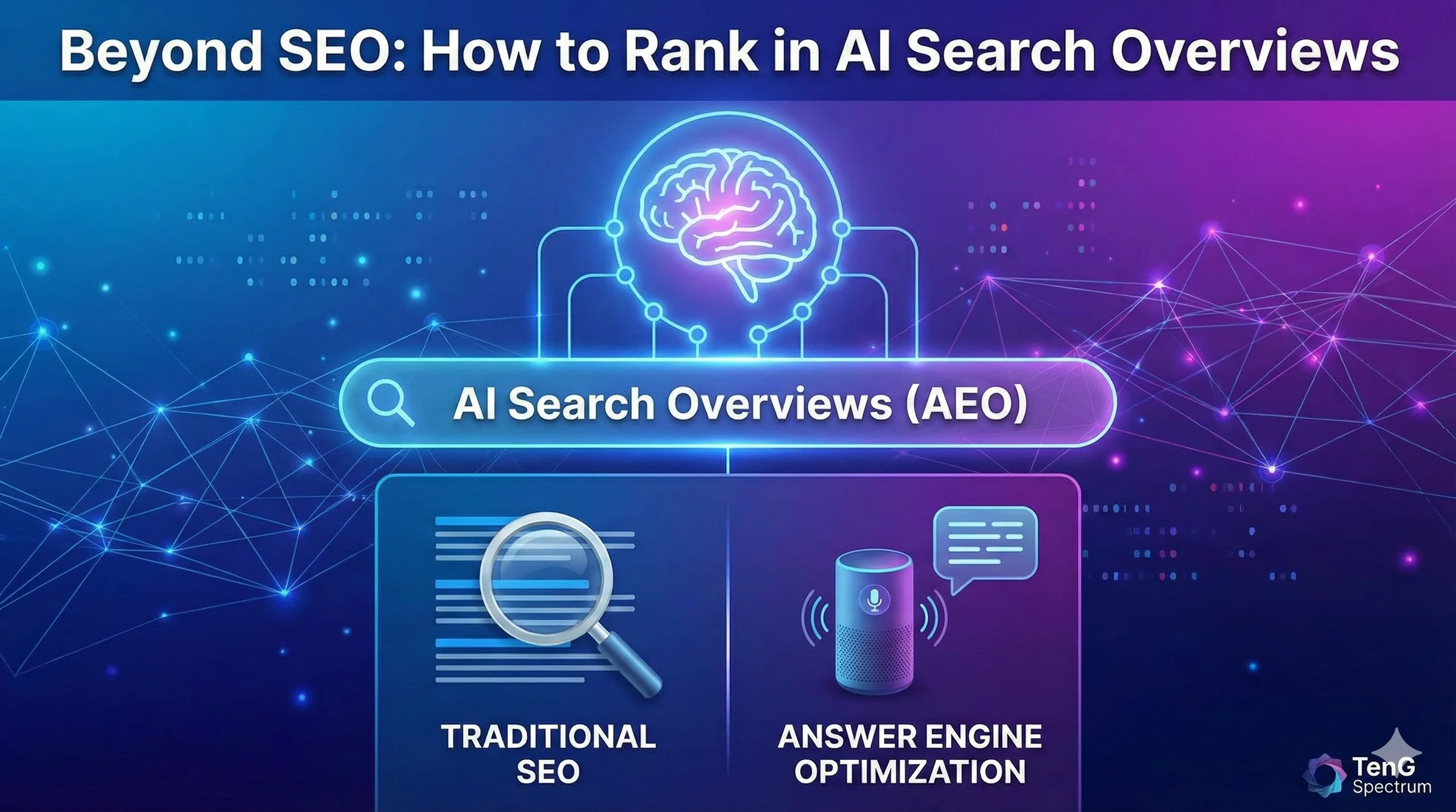
To get your business cited as a source in Google AI Overviews (AIO), you must implement an Answer-First content architecture supported by granular Schema Markup. Google’s generative models prioritize content that provides a direct, factual response within the first 50 words of a section, allowing the AI to easily "extract" and attribute your site as a primary source.
The "Why": Data Extraction in the Generative Era
In 2026, search engines have moved beyond simple indexing to Machine Ingestion. AI Overviews function by identifying "entities" and "facts" rather than just keywords. For a business to be cited, its digital infrastructure often built on high-performance frameworks like Python/Django or optimized WordPress environments must serve content in modular, "chunkable" passages. If your technical setup hides key information behind heavy JavaScript or ambiguous formatting, AI agents cannot confidently verify your expertise.
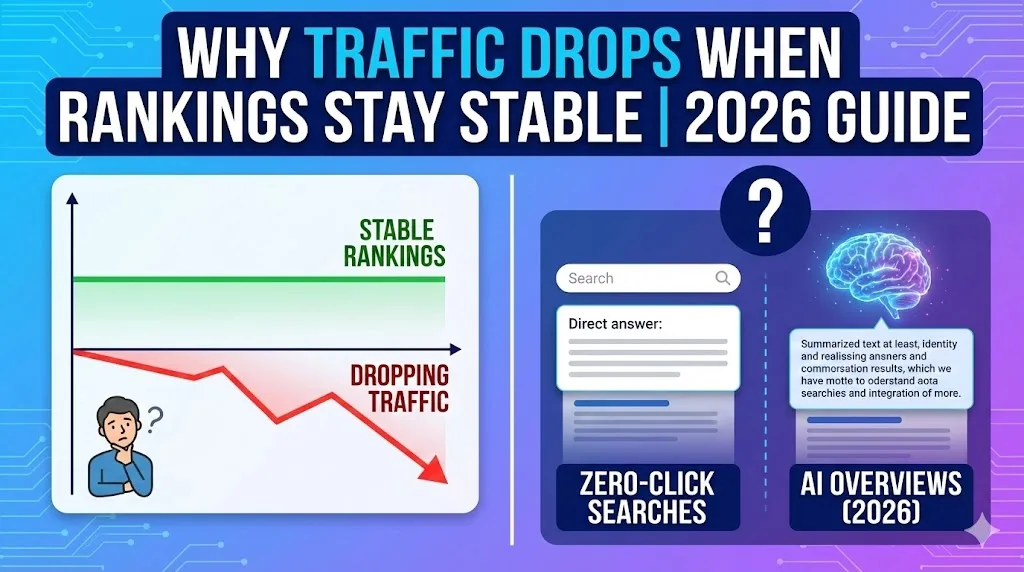
Furthermore, citations are heavily influenced by Entity Authority. Google validates your brand against its Knowledge Graph. By using precise JSON-LD structured data, you effectively "talk" to the AI in its native language, defining who you are, what you do, and why your data is the most accurate. In an era where "Zero-Click" results dominate, being the cited source is the only way to maintain brand share-of-voice and drive high-intent referral traffic from the AI layer.
Five Steps to Optimize for AI Citations
- Lead with the Answer: Structure every page or sub-section with the most important information first.Avoid long narrative intros; instead, provide a concise 2-3 sentence summary that answers the primary user intent.
- Deploy Advanced Schema: Implement a full suite of JSON-LD, including FAQSchema, HowToSchema, and OrganizationSchema.These tags explicitly define the relationships between your data points for AI parsers.
- Use Semantic HTML5: Organize content using semantic tags such as
<article>and<section>. Ensure your H2 and H3 headers are phrased as natural language questions that match common conversational search patterns. - Publish Original Data: AI models are trained to avoid redundancy.By publishing proprietary research, engineering case studies, or first-party data, you provide "unique tokens" that the AI is more likely to quote as a distinct authority.
- Verify E-E-A-T Signals: Ensure every article is linked to a detailed Author Persona schema. AI agents prioritize content from verifiable experts with a documented history of industry-specific contributions.
Contact TenG Spectrum today for premium digital solutions that ensure your brand remains visible and authoritative in the age of AI search.
Frequently Asked Questions
Find quick answers to common questions about this topic