The global digital economy is no longer a futuristic concept it is the baseline for modern business. For startups, MSMEs, and medical professionals expanding their reach, choosing the right payment gateway is one of the most critical strategic decisions. It is not just about "accepting credit cards"; it is about cash flow, security, customer trust, and the ability to scale across borders without technical friction.
At TenG Spectrum, we have seen how a poorly integrated payment system can lead to abandoned carts and lost revenue. Conversely, a premium, well-optimized gateway acts as a silent growth engine. This guide explores the best global payment solutions, tailored for the needs of agile startups and growing enterprises.
Understanding the Basics: What is a Payment Gateway?
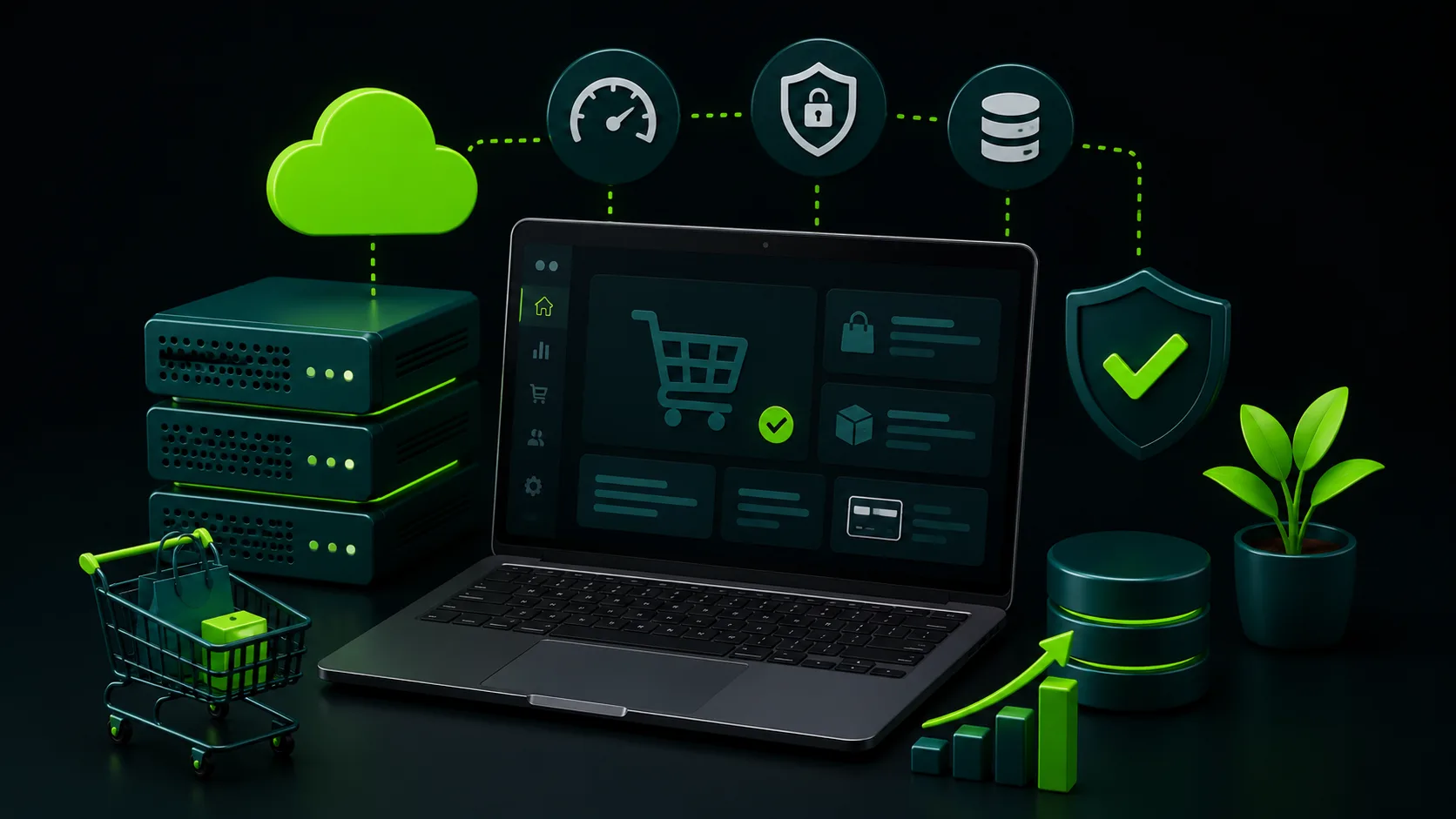
A payment gateway is the digital tunnel that connects your website’s shopping cart to the merchant bank. It encrypts sensitive credit card details, ensuring that information flows securely between the customer, the merchant, and the payment processor.
For a startup, the gateway must handle three primary tasks:
- Encryption: Protecting data during the transaction.
- Authorization: Confirming the customer has sufficient funds.
- Settlement: Ensuring the money actually reaches your business bank account.
What Are the Best Ways to Drive Traffic to Your Website for Free?
Key Factors When Choosing a Global Payment Gateway
Before diving into specific providers, it is essential to evaluate your business needs against these five pillars.
1. Integration and Ease of Use
Startups often operate with lean teams. You need a gateway that integrates seamlessly with your CMS, whether you are using WordPress, Shopify, or a custom-built solution from a premium developer.
2. Fee Structures and Hidden Costs
Transaction fees are the most visible cost, but watch out for:
- Monthly Subscription Fees: Flat monthly charges regardless of volume.
- Setup Fees: One-time costs to activate your account.
- Chargeback Fees: Penalties when a customer disputes a transaction.
- Currency Conversion Fees: Costs for converting international payments into your local currency.
3. Security and Compliance
Your gateway must be PCI-DSS Compliant. This is a non-negotiable industry standard. Look for providers that offer advanced fraud detection and 3D Secure authentication to minimize risk.
4. Multi-Currency Support
If you plan to sell globally, your gateway should support major world currencies (USD, EUR, GBP, JPY) and local payment methods like UPI in India, Alipay in China, or iDEAL in the Netherlands.
5. Settlement Time
Cash flow is the lifeblood of a startup. Check how long it takes for funds to move from the gateway to your bank account. Standard times range from 2 to 7 business days, though some providers offer "Instant Payouts" for a premium.
Top Global Payment Gateways for 2025: Comparison Table
The following table compares the leading global providers based on current 2025 market data.
| Provider | Best For | Typical Fees (Domestic) | Supported Currencies | Key Advantage |
| Stripe | Developers & Scalable SaaS | 2.9% + 30¢ | 135+ | Ultimate Customization |
| PayPal | Brand Trust & Speed | 2.99% + 49¢ | 25+ | High Consumer Trust |
| Square | Omnichannel (Online + Offline) | 2.9% + 30¢ | Limited | Integrated POS System |
| Adyen | Large Scale Global Enterprise | Interchange + Pricing | 150+ | Single Global Platform |
| 2Checkout | Global Digital Goods | 3.5% + 35¢ | 100+ | Handles Global Tax/VAT |
| Wise (Business) | International B2B Transfers | Low Variable Fees | 40+ | Best Exchange Rates |
Detailed Review of the Best Global Solutions
Stripe: The Gold Standard for Modern Startups
Stripe has maintained its position as the preferred choice for tech-heavy startups and SaaS companies. Its "developer-first" approach means the APIs are robust, well-documented, and highly flexible.
Pros:
- Highly Customizable: You can build a completely branded checkout experience.
- Stripe Radar: Advanced AI-driven fraud protection that learns from millions of global transactions.
- Unified Dashboard: Manage subscriptions, one-time payments, and physical card issuing in one place.
Cons:
- Requires technical expertise for advanced features.
- Customer support can be slower for non-premium accounts.
What Is SMTP? A Complete Guide to Email Protocols for Business
PayPal: The Trust Accelerator
For new startups that haven't established a strong brand yet, PayPal offers instant credibility. Customers who might be wary of entering card details on a new site often feel safe using their PayPal login.
Pros:
- Fast Setup: You can start accepting payments within minutes.
- Global Reach: Available in over 200 countries.
- One-Touch Checkout: Increases conversion rates on mobile devices.
Cons:
- Higher transaction fees compared to some competitors.
- Known for strict account freezes during "suspicious" activity or rapid volume spikes.
Adyen: Built for Global Expansion
If your startup is moving from "early stage" to "global enterprise," Adyen is the logical choice. It is a merchant bank, payment processor, and gateway all in one.
Pros:
- Direct Connections: Better authorization rates because they connect directly to card schemes.
- Deep Analytics: Provides insights into why certain payments fail.
- Local Payment Methods: Supports hundreds of local wallets and card types globally.
Cons:
- Not ideal for very small startups with low volume.
- The application process is more rigorous than Stripe or PayPal.
2Checkout (Verifone): The Compliance Specialist
Selling digital goods or software globally often involves complex VAT and tax regulations. 2Checkout (now owned by Verifone) acts as a "Merchant of Record," meaning they handle the tax collection and compliance for you.
Pros:
- Tax Management: Takes the headache out of EU VAT and global sales tax.
- Multiple Models: Offers both "Standard" gateway and "Merchant of Record" models.
- Global Payouts: Supports various payout methods including wire transfer and Payoneer.
Cons:
- Fees are generally higher to account for the compliance services.
- The user interface is less modern than Stripe.
Strategic Insights for Medical Professionals and MSMEs
For medical professionals or service-based MSMEs, the requirements are slightly different. You aren't just selling a product; you are often managing appointments or recurring billing for therapy and consultations.
- For Clinics: Look for gateways that integrate with your Electronic Health Record (EHR) software.
- For Consultants: Use "Payment Links." You can send a secure link via email or WhatsApp, and the client can pay without you needing a full e-commerce store.
- For Subscription Models: Ensure the gateway supports "dunning" management automated emails that remind customers to update their card if a recurring payment fails.
How to Build a Hospital Website: The Complete 2026 Guide for Healthcare Leaders
Common Pitfalls to Avoid
Even with the best gateway, startups can run into trouble if they don't follow best practices:
- Ignoring the "Fine Print": Some gateways have "rolling reserves," where they hold 10% of your funds for 90 days to cover potential chargebacks. This can kill your cash flow.
- Poor Mobile Experience: Ensure your payment form is "responsive." If a customer has to pinch-and-zoom to enter their credit card on a phone, they will leave.
- Lack of Support: When a payment system goes down, you lose money every minute. Test the provider's support response time before you commit.
Conclusion: Making the Right Choice
Choosing a payment gateway is not a one-size-fits-all decision. A developer-centric startup will thrive with Stripe, while a retail business might prefer the integrated ecosystem of Square. For those targeting a global audience with zero tax-filing overhead, a Merchant of Record is the path forward.
Your payment infrastructure should be as premium as the products you sell. At TenG Spectrum, we specialize in building high-performance websites and integrating seamless digital solutions that convert visitors into loyal customers.
Ready to build a high-converting digital presence? Whether you need a premium website built from scratch or expert help integrating the perfect payment infrastructure for your global startup, TenG Spectrum is here to help. Our remote team of experts delivers world-class web development, SEO, and digital strategy services tailored to your unique goals.
Frequently Asked Questions
Find quick answers to common questions about this topic