
The digital landscape has evolved dramatically over the last few years. As we navigate 2026, consumer behavior is heavily influenced by artificial intelligence, answer engines, and rapid technological advancements.
Relying solely on social media or third party directories is no longer sufficient for serious businesses. Consumers expect a seamless, authoritative, and secure digital experience when evaluating a brand.
A dedicated website serves as the central nervous system of your business. It is the only digital real estate where you retain complete control over your brand narrative, customer data, and sales funnels.
In this comprehensive guide, we will explore the critical advantages of investing in a custom website this year. From leveraging Answer Engine Optimization to securing first party data, these insights are designed to help businesses scale effectively.
Establishing Unshakable Trust and Authority
1. Total Ownership of Your Digital Identity
When you build a website, you own your digital real estate outright. Unlike social media platforms where algorithms dictate your visibility, a website guarantees your presence.
You are not subjected to sudden policy changes or account suspensions that can cripple your business overnight. Complete ownership means your marketing investments build long term equity for your brand.
2. First Impressions in the Era of Answer Engines
Search has shifted from simple links to direct answers provided by AI systems. When platforms like Google formulate answers, they source information from highly authoritative websites.
Having a well structured website ensures your business is the primary source of truth. Without a site, your brand is invisible to the answer engines that modern consumers rely on daily.
3. Showcasing E-E-A-T to Search Algorithms
Experience, Expertise, Authoritativeness, and Trustworthiness form the core of modern search algorithms. A website allows you to systematically demonstrate these qualities through detailed content.
You can publish case studies, team biographies, and comprehensive service pages. This depth of information signals to search engines that your business is a credible leader in its industry.
4. Professionalism Through Custom Domain Emails
Operating a business with a generic email address instantly degrades trust. A website provides you with a custom domain, enabling professional email communications.
Consumers are significantly more likely to engage with and purchase from a company using a branded email address. It is a fundamental indicator of a legitimate and established enterprise.
5. Centralized Repository for Social Proof
A dedicated website allows you to curate and highlight your best reviews, testimonials, and industry awards. You control the narrative and the presentation of your success stories.
Instead of forcing users to hunt for reviews across multiple fragmented platforms, your website presents a unified wall of trust. This focused social proof accelerates the decision making process for prospective clients.
Driving Revenue and Continuous Sales
6. A Global Sales Representative Operating Constantly
Your website never sleeps, takes a vacation, or clocks out for the day. It functions as a persistent sales representative, capturing leads and processing transactions around the clock.
Customers in different time zones or those browsing late at night can interact with your business without friction. This constant availability directly translates into increased revenue opportunities.
7. Expanding Market Reach Beyond Local Borders
A physical storefront or local network limits your customer base to a specific geographic area. A well optimized website completely removes these physical boundaries.
You can target national or international markets through strategic search engine optimization. This broader reach is essential for scaling operations and diversifying your revenue streams.
8. Bypassing Third Party Platform Fees
Selling through marketplaces often means sacrificing a significant percentage of your profits to platform fees. A proprietary e-commerce website allows you to keep higher margins on every sale.
You also avoid the risk of having your products listed directly alongside cheaper competitors. Direct sales foster stronger customer relationships and better lifetime value.
9. Implementing AI Driven Upselling and Cross Selling
Modern websites in 2026 integrate seamlessly with artificial intelligence tools. These systems analyze user behavior in real time to suggest complementary products or services.
Dynamic product recommendations significantly increase the average order value of a transaction. This automated upselling requires zero additional effort from your sales team.
How to Grow My Business Online: The 2026 Strategic Guide for MSMEs & Professionals
10. Facilitating Seamless B2B and B2C Transactions
Whether you operate a business to business or business to consumer model, a website streamlines the purchasing process. You can implement custom quoting systems, bulk ordering portals, or secure checkout flows.
Removing friction from the transaction process is the fastest way to improve conversion rates. A custom website adapts to the specific buying habits of your target audience.
Enhancing Customer Experience and Accessibility
11. Providing Instant Answers Through AI Chatbots
Customer expectations for rapid responses have never been higher. Integrating advanced AI chatbots into your website ensures users get immediate answers to common questions.
These virtual assistants can handle triage, book appointments, and guide users to relevant resources. This improves user satisfaction while reducing the workload on your human support staff.
12. Complete Control Over the User Journey
On third party platforms, the user journey is designed to keep people on the platform, not necessarily focused on your brand. A website allows you to design a specific path to conversion.
You guide the visitor from educational blog posts to service pages, and finally to a contact form or checkout. This tailored journey maximizes the chances of turning a visitor into a paying customer.
13. Adapting to Voice Search and Smart Devices
With the proliferation of smart speakers and voice assistants, optimizing for conversational queries is mandatory. A website can be structured to answer the specific long tail questions people speak aloud.
Implementing structured data and FAQ schema ensures your content is readable by voice search devices. This captures a growing segment of mobile and home based consumers.
14. Ensuring Web Accessibility for All Users
Digital inclusivity is a major focus in 2026, both for ethical reasons and legal compliance. A custom website allows you to implement robust accessibility features.
Ensuring your site is navigable via screen readers and keyboard controls expands your potential audience. It also demonstrates corporate social responsibility and protects your brand from accessibility lawsuits.
15. Delivering Personalized Content Dynamically
A modern website can alter its content based on the visitor location, past behavior, or referral source. This level of personalization makes the user feel understood and valued.
Personalized landing pages have significantly higher conversion rates than static, generic pages. Tailoring the digital experience is a massive competitive advantage in crowded markets.
How to Build a Hospital Website: The Complete 2026 Guide for Healthcare Leaders
Data Ownership, Analytics, and Business Intelligence
16. First Party Data Collection in a Cookieless World
With stringent privacy regulations and the deprecation of third party cookies, first party data is incredibly valuable. Your website is the primary mechanism for collecting this data ethically.
By offering value through newsletters, gated content, or account creation, you build a proprietary database. This direct relationship with your audience is immune to changing browser privacy policies.
17. Tracking User Behavior for Better Marketing ROI
Integrating advanced analytics into your website reveals exactly how users interact with your brand. You can identify which marketing channels drive the highest quality traffic.
Understanding metrics like bounce rate, session duration, and conversion paths allows for data driven decisions. This ensures your marketing budget is allocated to the most profitable campaigns.
18. Continuous A/B Testing to Optimize Conversion Rates
A website is a dynamic asset that can be continuously refined. You can run split tests on headlines, calls to action, and page layouts to see what resonates best.
Iterative improvements based on real user data compound over time. This scientific approach to web design guarantees your website becomes more effective month after month.
19. Integration with Enterprise CRMs and Tools
Your website should act as the hub for your entire digital ecosystem. It can automatically feed leads directly into your Customer Relationship Management software.
Seamless integration with email marketing platforms, accounting software, and inventory systems eliminates manual data entry. This interconnected approach dramatically improves operational efficiency.
20. Predictive Analytics for Inventory and Demand
By analyzing website traffic trends and search queries on your site, you can forecast future business demands. Spikes in interest for specific service pages serve as leading indicators for market shifts.
This predictive capability allows you to adjust inventory, staffing, or marketing focus proactively. Anticipating customer needs keeps you steps ahead of reactive competitors.
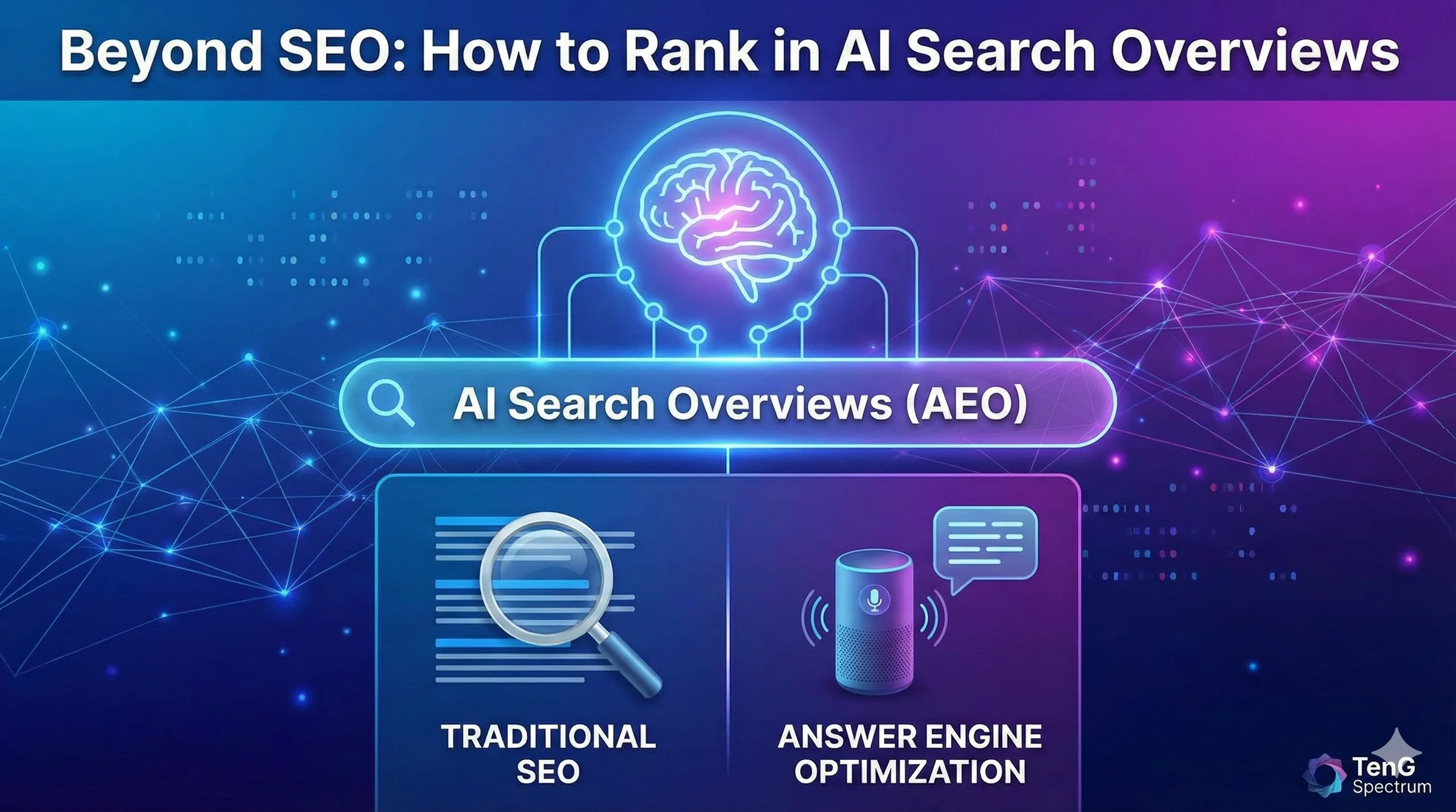
Beyond SEO: How to Rank in AI Search Overviews (AEO)
Operational Efficiency and Competitive Advantage
21. Reducing Customer Support Costs
A comprehensive website acts as the first line of customer support. By providing detailed documentation, tutorials, and knowledge bases, you empower users to solve their own problems.
This self service model drastically reduces the volume of support tickets and phone calls. Your customer service team can then focus on resolving complex, high value issues.
22. Streamlining Recruitment and Hiring
Attracting top talent requires a strong employer brand. A dedicated careers section on your website showcases your company culture, benefits, and current openings.
You can streamline the application process by collecting resumes and portfolios directly through secure forms. A professional website signals to candidates that your company is a stable and forward thinking employer.
23. Staying Ahead of Industry Competitors
In many industries, a fast, beautifully designed website is enough to secure a massive competitive edge. If your competitors rely on outdated digital infrastructure, you have an opportunity to capture their market share.
Consumers naturally gravitate toward businesses that offer the best digital experience. Investing in modern web development immediately positions you as the premium choice in your sector.
24. Agile Responses to Market Changes
When industry shifts occur or new regulations are announced, you need to communicate with your audience rapidly. A website allows you to publish updates, press releases, and new service offerings instantly.
You are not restricted by printing schedules or platform review processes. This agility ensures your brand is always relevant and responsive to the current business climate.
25. Building Long Term Business Value
Ultimately, a high performing website increases the overall valuation of your business. It is a tangible digital asset that generates predictable leads and revenue.
If you ever plan to sell your business or seek investment, a strong digital presence is thoroughly evaluated during due diligence. A robust website proves your business has modern, scalable systems in place.
Strategic Comparison: Website vs Social Media in 2026
To understand the full value of a website, it is helpful to compare it directly against social media platforms.
| Feature | Custom Website | Social Media Platforms |
| Asset Ownership | 100% owned and controlled by you | Rented space subject to platform rules |
| Algorithm Impact | SEO builds compounding long term traffic | Visibility requires constant content creation |
| Data Access | Complete access to first party analytics | Limited insights dictated by the platform |
| Customization | Limitless design and functional freedom | Rigid templates and restricted branding |
| Customer Intent | High intent to research or purchase | Low intent, primarily focused on entertainment |
This table clearly demonstrates why social media should be used as a tool to drive traffic to your website, rather than replacing it entirely.
Answer Engine Optimization and Voice Search Strategies
As we progress through 2026, standard Search Engine Optimization is evolving rapidly into Answer Engine Optimization. When users ask complex questions to AI tools, the engine synthesizes information from top tier websites.
To ensure your business is the source material for these answers, your website content must be exceptionally clear. You must structure data using schema markup so algorithms can easily parse your facts, pricing, and services.
Focusing on conversational long tail keywords is more critical than ever. Content should directly address the "Who, What, Where, When, and Why" of your industry. By structuring your site to answer questions succinctly, you capture the growing volume of zero click searches and voice assistant queries.
Elevate Your Digital Presence Today
In 2026, building a highly optimized, custom website is not a luxury; it is a fundamental requirement for business survival and growth. The 25 benefits outlined above demonstrate how a website protects your brand, generates revenue, and provides a massive competitive advantage.
Are you ready to transform your digital presence and build a platform that truly scales your business? Contact TenG Spectrum today for premium website development, advanced SEO, and comprehensive digital strategy services. Let us build the foundation your business needs to dominate the modern digital landscape.
Frequently Asked Questions
Find quick answers to common questions about this topic