Everyone wants to go viral. Whether you are a business owner, a creator, or a marketer, we all dream of that one video that gets millions of views, skyrockets our followers, and drives massive sales.
But here is the truth: Virality is not just luck. It is engineering.
While you cannot guarantee that every video will hit 10 million views, you can significantly increase your odds by understanding the science behind why people share content.
In this guide, we will move beyond basic tips. We will break down the psychology of sharing, the technical steps to production, and the distribution secrets you need to dominate the algorithms on Instagram, YouTube, and TikTok in 2026.
Ultimate Guide to WordPress Login Security: Infrastructure-First Approach
What Actually is a "Viral Video"?
A viral video is a piece of content that spreads rapidly through online sharing. It moves like a virus one person watches it, shares it with two friends, who share it with four more, creating exponential growth.
From a business perspective, a viral video is the most powerful form of Top of Funnel (ToFu) marketing. It introduces your brand to thousands of new people without you paying for each individual view.
The 3 Core Elements of Virality
To rank, your video needs to hit three targets:
- Relatability: "That is so me!"
- Utility: "I need to save this for later."
- Emotion: "I can't believe this happened!"
The Psychology: Why Do People Share?
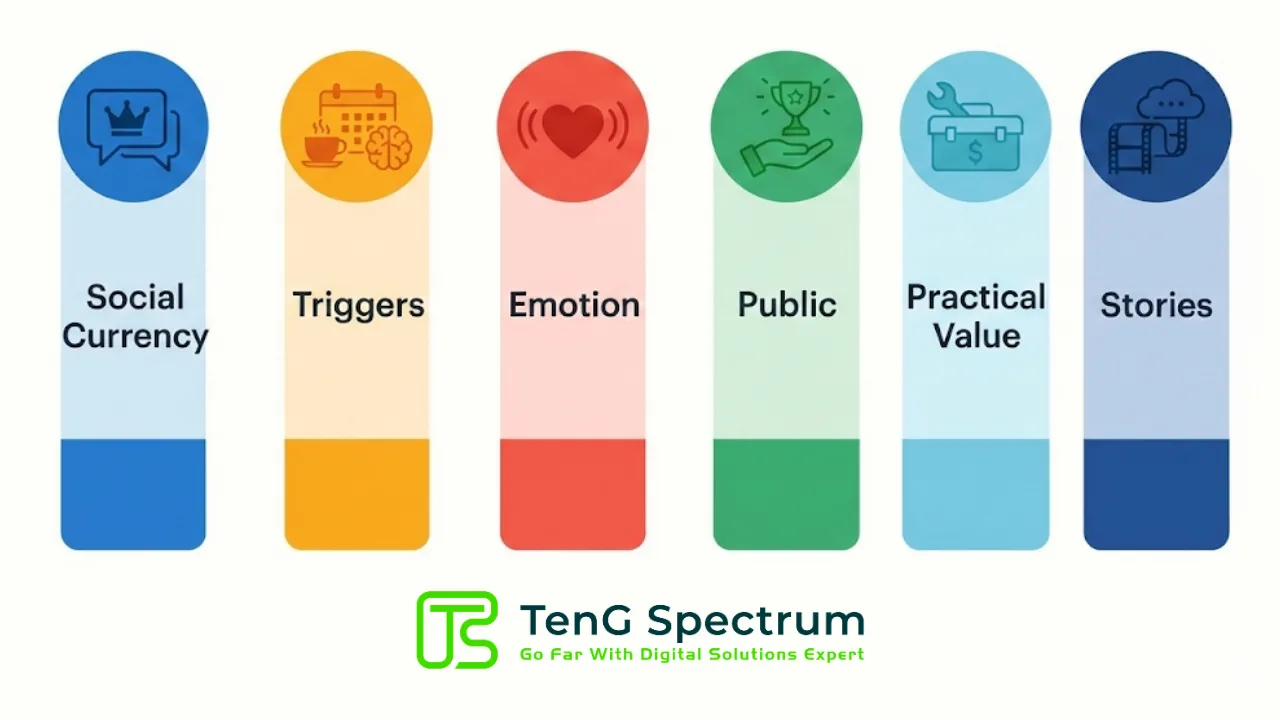
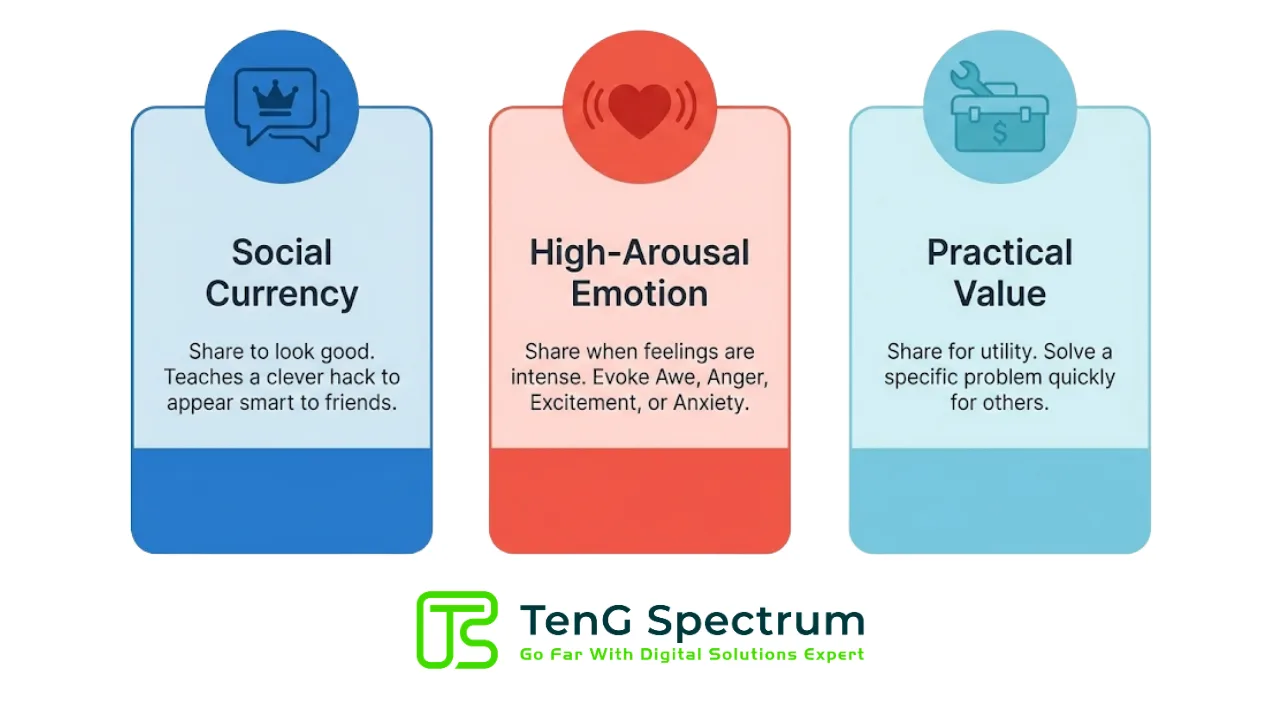
Before you pick up a camera, you must understand the human mind. Jonah Berger, a marketing professor, famously outlined the "STEPPS" framework. At Teng Spectrum, we simplify this into three main psychological triggers:
- Social Currency: We share things that make us look good. If your video teaches a clever hack, people share it to look smart to their friends.
- High-Arousal Emotion: People rarely share "boring" or "content" things. They share when they feel Awe, Anger, Excitement, or Anxiety. You need to make them feel something intense.
- Practical Value: Pure utility wins. If you solve a specific problem quickly (e.g., "How to fix a WordPress error in 30 seconds"), people will share it with colleagues who have the same problem.
Step-by-Step: How to Create a Viral Video
Forget the guesswork. Follow this production workflow to maximize your chances.
Phase 1: Pre-Production (The Concept)
This is where you win or lose.
- Trend Jacking: Use Google Trends or the TikTok Creative Center to see what is trending right now. Can you apply a trending audio or format to your specific niche?
- The Hook Strategy: You have 3 seconds (or less) to stop the scroll.Bad Hook: "Hello guys, welcome back to my channel..."Viral Hook: "Stop making this mistake if you want to grow..." or visual movement immediately.
- Bad Hook: "Hello guys, welcome back to my channel..."
- Viral Hook: "Stop making this mistake if you want to grow..." or visual movement immediately.
- Scripting for Retention: Don't waffle. Every sentence must provide value. If a sentence doesn't move the story forward, cut it.
Why Traffic Drops When Rankings Stay Stable | 2026 Guide
Phase 2: Production (Filming)
You do not need a cinema camera. A modern smartphone is enough, but quality matters.
- Lighting: Bad lighting kills retention. Use natural window light or a simple softbox.
- Audio is King: People will watch bad video, but they will scroll past bad audio. Invest in a cheap wireless lapel microphone.
- Vertical First: Shoot in 9:16 aspect ratio. This is the native format for Shorts, Reels, and TikTok.
Phase 3: Post-Production (Editing)
Editing is the "secret sauce" of retention.
- Pacing: Cut out every single pause. Remove "umms" and breaths. Keep the energy high.
- Captions: Many people watch videos on mute. Use bold, dynamic captions that pop up word-by-word to keep eyes on the screen.
- Pattern Interrupts: Change the camera angle, add a zoom, or pop up an image every 3-5 seconds to reset the viewer's attention span.
How to Beat the Algorithm (Distribution)
You have made a great video. Now, how do you get the algorithm to push it?
1. The Velocity Metric
Social platforms care about "Velocity." This means: How fast does the video get engagement after you post it?
- Post when your audience is awake.
- Reply to every comment in the first hour. This doubles the comment count and signals activity to the algorithm.
2. Watch Time & Completion Rate
This is the #1 ranking factor. If you have a 30-second video and people only watch 10 seconds, it will die.
- Looping: Try to make the end of your video flow seamlessly back into the start. If a user watches your video twice, the algorithm thinks it is incredible content.
3. SEO Optimization
Algorithms are now search engines.
- Keywords: Say your keywords out loud in the video (the AI listens to audio).
- Description: Write a natural description filled with long-tail keywords (e.g., instead of just "Marketing tips," use "Digital marketing tips for small businesses in 2026").
- Hashtags: Use a mix of broad tags (#Marketing) and niche tags (#SEOstrategy).
Common Mistakes That Kill Virality
Avoid these errors at all costs:
- The "Me, Me, Me" Trap: Don't make the video about you. Make it about the viewer. Instead of "I built this product," say "Here is how this tool saves you time."
- Slow Intros: Never use logo intros or long greetings. Start the action immediately.
- Fake Engagement: Never buy likes or views. It destroys your account's trust score with the platform.
How Viral Videos Make Money
Going viral is vanity; revenue is sanity. Here is how to convert views into cash:
- The Funnel: Have a link in your bio. A viral video is useless if people don't know where to go next.
- Ad Revenue: YouTube AdSense and TikTok Creator Fund pay you for views, but this requires massive volume.
- Services & Leads: For B2B companies (like us at Teng Spectrum), a viral video demonstrates expertise. It brings clients who want the same results.
- Affiliate Marketing: Recommend the tools you use in the video and earn a commission.
Conclusion
Making a viral video isn't magic. It is a mix of psychology, data, and creativity.
By focusing on high retention, emotional hooks, and clear value, you can stop creating noise and start creating impact. Remember, the goal isn't just to be seen—it's to be remembered.
Ready to transform your digital presence? At Teng Spectrum, we don't just talk about algorithms; we master them. Whether you need high-performance web development or a data-driven content strategy, our team is ready to help you scale.
Frequently Asked Questions
Find quick answers to common questions about this topic

