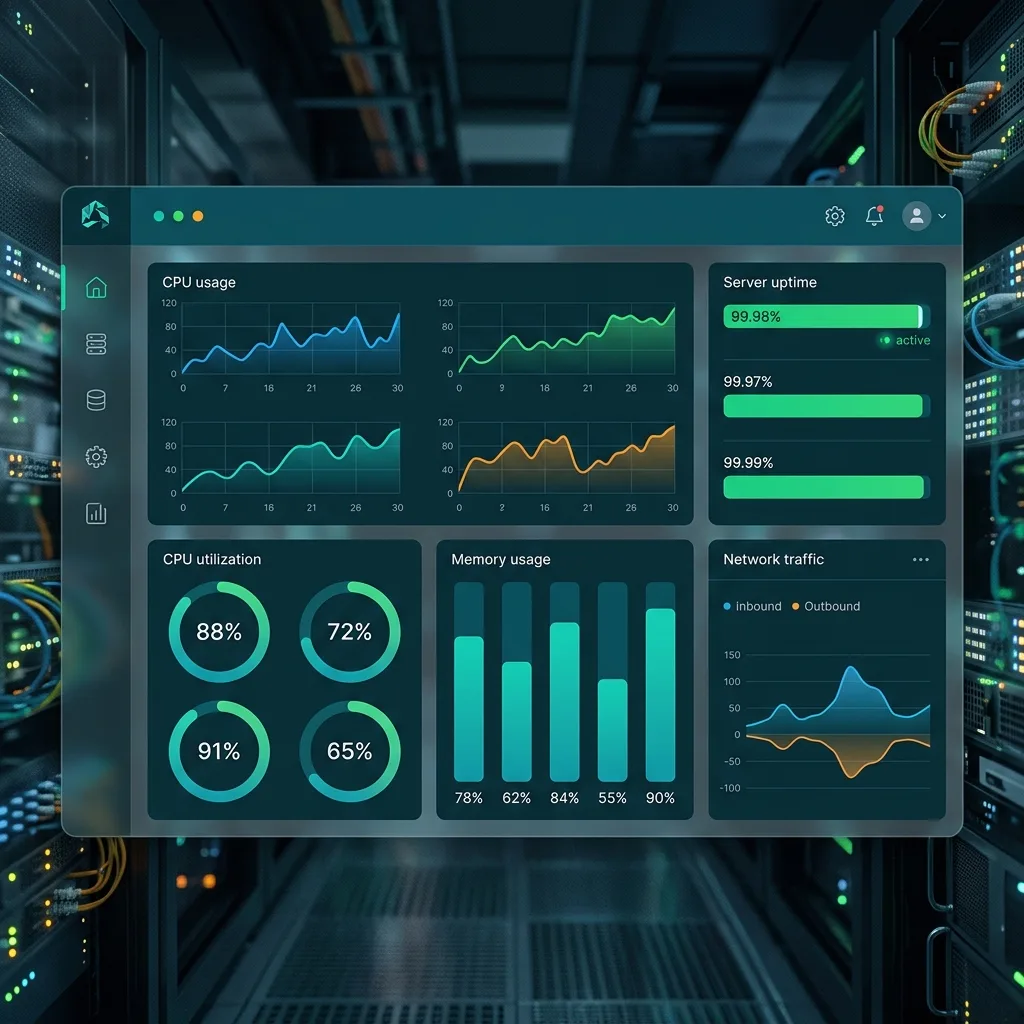
1. Defining Digital Transformation
Digital transformation is the process of integrating digital technology into all aspects of a business to change how it operates, delivers value, and adapts to the evolving market. It is not just a technology upgrade—it’s a cultural, operational, and strategic shift.
In today’s competitive environment, businesses must move from legacy systems and outdated processes to agile, automated, data-driven systems that provide faster, smarter, and more customer-focused outcomes.
Related: How to Digitally Transform Your Business for Long-Term Success
2. Why Digital Transformation Goes Beyond Technology
Many believe digital transformation is all about tools and apps—but it's much more than that. It includes:
-
People: Empowering employees to use and trust technology
-
Processes: Reimagining workflows for efficiency
-
Technology: Using the right tools to scale and innovate
Success lies in aligning all three areas. For example, installing a CRM (Customer Relationship Management) tool won’t help unless your sales team knows how to use it effectively and your processes are updated to support faster conversions.
3. Key Benefits of Digital Transformation
Here’s why businesses—from startups to enterprises—are investing in digital transformation:
| Benefit | Description |
|---|---|
| Increased Efficiency | Automate repetitive tasks and reduce manual work |
| Better Customer Experience | Personalized and responsive service across all channels |
| Data-Driven Decisions | Real-time analytics to make informed choices |
| Cost Savings | Reduce waste, errors, and unnecessary expenses |
| Competitive Edge | Stay ahead in a fast-evolving market |
Related: Importance of Online Presence
4. Components of Digital Transformation
Let’s break down the core components that define digital transformation:
a. Digital Tools & Platforms
These include CRMs, project management software, AI-powered chatbots, and customer support systems that automate operations and communication.
b. Website & Digital Presence
Your business’s website is often the first point of contact with a potential customer. A responsive, fast, SEO-optimized site is central to transformation.
Read: Why Businesses Need a Custom Website
c. Business Process Automation
Replacing manual workflows with AI, automation tools, and integrations. From invoice generation to customer onboarding, everything can be streamlined.
Read: How Chatbots Improve Customer Experience
d. Marketing & Customer Engagement
Omnichannel marketing, automated emails, lead scoring, and data-driven campaigns are all part of transforming how you attract and retain customers.
Start here: SEO Checklist for Small Businesses
5. What Triggers a Digital Transformation?
Several factors prompt a business to begin its digital transformation journey:
-
Outdated systems that slow down operations
-
Changing customer expectations in the digital age
-
Competition from more agile, tech-first businesses
-
Remote work needs and cloud dependency
-
Data overload with no clear analytics strategy
Whatever the trigger, the goal remains the same: stay relevant, efficient, and profitable.
6. Real-World Examples of Digital Transformation
Here’s a quick look at practical transformation efforts:
-
A local retailer who shifted from offline inventory to a cloud-based POS and saw a 35% increase in efficiency.
-
A healthcare clinic that added a chatbot to their website for appointment bookings and reduced receptionist load by 60%.
-
An e-commerce startup that adopted a CRM and email automation, doubling repeat purchases in 3 months.
See: Case Study – Local Business Success
7. Digital Transformation Myths to Avoid
Myth 1: It’s only for large enterprises
Truth: Small businesses benefit more due to limited manpower and the need to scale faster.
Myth 2: It’s all about software
Truth: It’s equally about people and process alignment.
Myth 3: One-time setup is enough
Truth: Digital transformation is a continuous process of optimization and learning.
Related: Mistakes in Business Websites
8. How to Start Your Digital Transformation Journey
If you’re new to digital transformation, here’s a simple roadmap:
-
Evaluate Your Current Systems: What’s working, what’s outdated?
-
Set Goals: Are you aiming to improve efficiency, leads, or sales?
-
Choose the Right Tools: Based on your budget and business type
-
Get Expert Support: Don’t DIY everything. Partner with a team.
-
Train Your Team: Adoption is critical for success
TenG Spectrum can help you audit, strategize, and build your digital transformation journey with tailor-made solutions.
Book a Consultation | View Our Packages
9. The Future of Business is Digital
Digital transformation is no longer optional. Businesses that fail to adapt risk being replaced. But those who embrace transformation will grow faster, operate smarter, and connect better with their audience.
TenG Spectrum is here to support your digital future—from websites to automation and everything in between.
Ready to begin? Contact Us Now
Explore Our Plans
Frequently Asked Questions
Find quick answers to common questions about this topic