
Starting a new business is one of the most exciting journeys an entrepreneur can undertake. However, the path from an initial spark of an idea to a fully functioning, profitable enterprise is paved with critical decisions. Many founders rush to market, eager to make their first sale, only to find themselves stalled by legal, operational, or technical roadblocks.
Launching successfully requires more than just a great product or service. It demands a deliberate, structured foundation that ensures your business is credible, discoverable, scalable, and secure from day one. In an era dominated by instant digital answers and AI search engines, how you present your brand online during its first few weeks can dictate your trajectory for years.
This guide outlines the ten non-negotiable elements every new business must establish before officially opening its doors. Whether you plan to operate as a local service provider or a multinational enterprise, checking these items off your list will build a sustainable competitive advantage.
1. A Validated Value Proposition and Target Audience Profile
You cannot sell effectively if you do not know exactly what you are selling, why it matters, and who is most likely to buy it. Market validation is the process of proving that a real, paying market exists for your solution.
Defining Your Ideal Customer Profile
Many businesses fail because they assume everyone is their customer. A precise Ideal Customer Profile helps you focus your marketing spend where it will yield the highest return.
- Demographic Data: Age, geographic location, income bracket, and job title.
- Psychographic Data: Values, pain points, daily challenges, and professional ambitions.
- Buying Behavior: Where they research solutions, their preferred payment methods, and their typical decision-making cycles.
Refining the Value Proposition
Your value proposition is the core promise of value to be delivered to your customer. It should clearly answer three questions:
- How does your product or service solve your customer's problem?
- What specific benefits can the customer expect?
- Why should they buy from you instead of your competitors?
2. A Legally Registered Business Structure and Entity
Operating without the proper legal framework exposes you to significant personal liability and can prevent you from opening business bank accounts, securing payment gateways, or signing client contracts.
15 Best Small & Home Based Business Ideas in Kochi (2026 Guide)
Choosing the Right Business Structure
The structure you choose impacts your daily operations, taxes, and the level of personal risk you carry.
| Business Structure | Personal Liability | Tax Implications | Best For |
| Sole Proprietorship | Unlimited personal liability | Personal tax returns | Low-risk, single-owner test concepts |
| Partnership | Shared unlimited liability | Personal tax returns of partners | Multi-owner service businesses |
| Limited Liability Partnership (LLP) | Limited to partner capital | Business-level taxation with flow-through options | Professional service firms and agencies |
| Private Limited Company (Ltd / LLC) | Strictly limited to share capital | Separate corporate tax rate | Scalable startups, e-commerce, and tech firms |
Compliance, Permits, and Licensing
Depending on your geographic location and industry, you will need specific local or national tax registrations. For example, in India, securing your Goods and Services Tax registration is a vital step. Additionally, ensure you have secured any necessary local zoning permits, professional licenses, and standard commercial liability insurance.
3. Brand Identity Guidelines and Trademark Protections
Your brand identity is the visual and emotional representation of your business. It is how clients perceive your professionalism and authority before they ever speak to a representative.
Core Visual Brand Assets
Before launching, you must establish a cohesive design language. Working with professional designers ensures these assets are scalable and structurally sound.
- Primary and Secondary Logos: Vector-based formats that remain crisp on mobile screens, high-definition displays, and physical print.
- Color Palette: A curated selection of primary, secondary, and neutral colors with exact HEX, RGB, and CMYK codes.
- Typography: Selected brand fonts for headings, subheadings, and body text to maintain consistency across your website and PDF collateral.
- Brand Voice Guidelines: Rules defining whether your written communication is formal, conversational, authoritative, or technical.
Securing Your Intellectual Property
Do not build equity in a name you do not legally own. Perform a thorough trademark search before finalizing your business name, logo, or key product titles. Registering your trademark early protects your brand from copycats and ensures you will not face costly rebranding lawsuits down the road.
4. A Custom, High-Performance Website
Your website is the digital storefront of your business. In a remote-first, digital-first marketplace, a slow, generic, or poorly structured website communicates a lack of capability.
Why Custom Architecture Beats Cheap Templates
While page builders and cheap pre-made templates are tempting for quick launches, they often carry bloated code, slow load times, and limited scalability. A custom-developed website offers several structural advantages:
- Optimized Performance: Fast load times are critical. A one-second delay in page load time can reduce conversions by up to 20%.
- Tailored User Journeys: Custom development maps the layout directly to your unique sales funnel, guiding users naturally toward a purchase or consultation.
- Advanced Security: Custom sites are less vulnerable to the automated bot attacks that target common, unpatched template plugins.
Crucial Launch Pages
Every professional business website should launch with a complete set of highly functional pages:
1.The Homepage:The Digital Front Door.
Clearly state your value proposition above the fold, supported by a strong call-to-action.
2.Core Service or Product Pages:The Conversion Engine.
Detail your offerings with clear specifications, transparent benefits, and intuitive inquiry forms.
3.The About Us Page:Building Human Trust.
Share your company history, mission, and the professional profiles of your leadership team to build E-E-A-T.
4.Legal and Compliance Pages:Trust and Protection.
Publish your Privacy Policy, Terms of Service, and Refund Policies to comply with global data privacy standards like GDPR and CCPA.
5. Domain, Professional Email, and Secure Hosting
Establishing professional digital infrastructure is essential for building trust with early prospects, suppliers, and potential partners.
Securing Your Domain Name
Your domain name should ideally match your registered business name exactly. If the exact match is unavailable, opt for clear modifiers. Keep the domain easy to spell, short, and avoid using hyphens or unnecessary numbers.
Dedicated Corporate Email Accounts
Sending business proposals from a free personal email account immediately erodes credibility. Set up professional email addresses using your custom domain. This requires linking your domain to a professional mail service workspace.
Why Your Business Needs a Professional Email | Expert Guide by TenG Spectrum
Enterprise-Grade Managed Hosting
A premium website requires high-performance hosting. Opt for virtual private servers, cloud hosting, or managed hosting platforms that guarantee high uptime, automatic daily backups, and robust server-side security firewalls.
6. A Comprehensive Pre-Launch and Post-Launch SEO Strategy
Do not wait until after your launch to think about search engine visibility. Incorporating Search Engine Optimization from the ground up ensures search engines can index your new brand accurately and quickly.
Technical SEO Best Practices
Before publishing your website, ensure your development team has optimized the underlying technical structure:
- Secure Sockets Layer (SSL) Certification: Ensure your site loads securely via HTTPS.
- XML Sitemaps: Generate and submit your sitemap directly to Google Search Console and Bing Webmaster Tools.
- Clean URL Structures: Use descriptive, lowercase, hyphen-separated URLs that include primary target keywords.
- Mobile Responsiveness: Ensure the site performs flawlessly across all mobile viewport sizes.
Answer Engine Optimization (AEO)
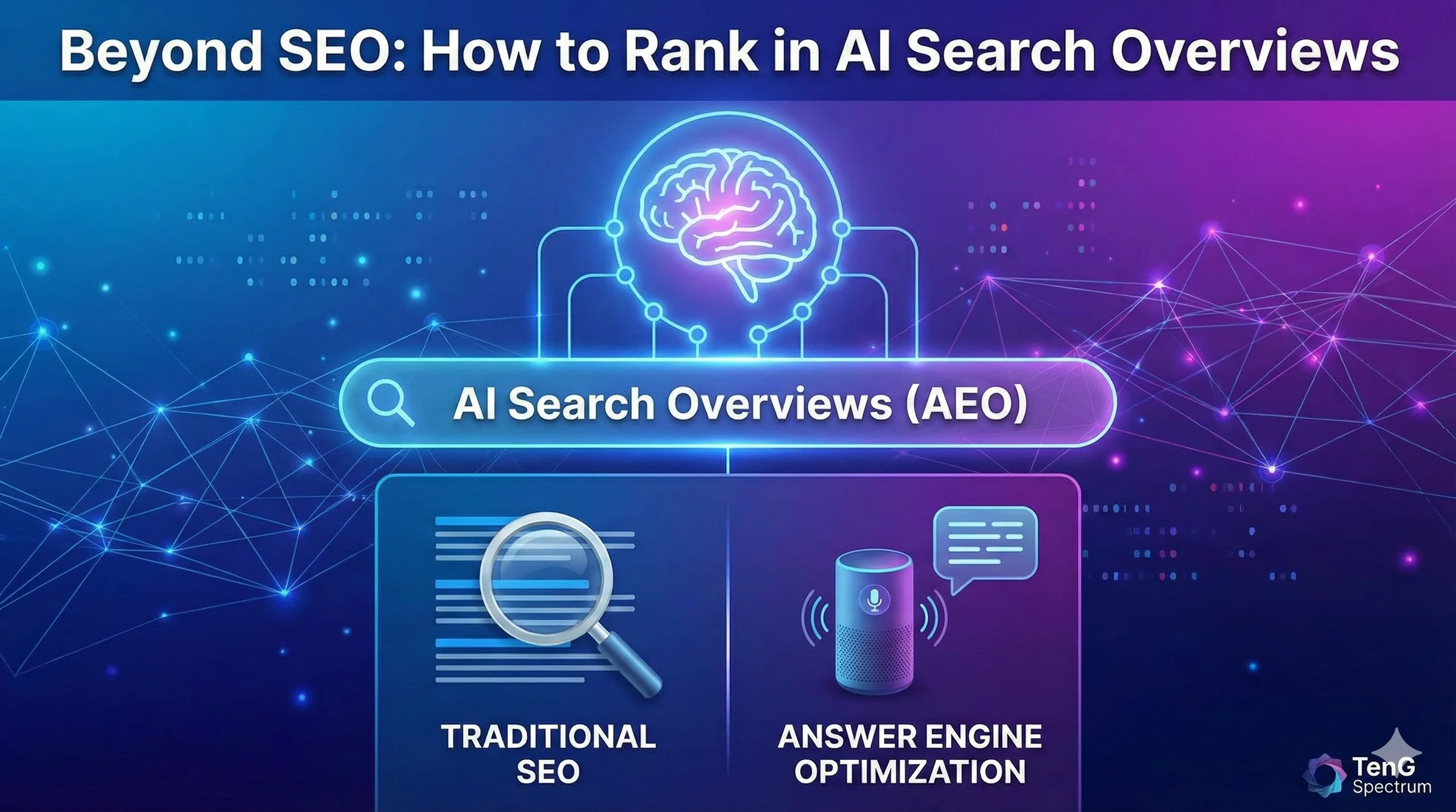
With the rapid rise of AI search, voice assistants, and search engines that generate direct answers, optimizing for AEO is vital. This involves structuring your content to answer specific, long-tail questions that users ask naturally in conversational queries. We will dive deeper into AEO-specific questions later in this guide.
7. An Organized Operations and Communications Stack
Running a modern, flexible, or remote business requires an integrated suite of software tools to coordinate tasks, handle client interactions, and manage internal files.
+-----------------------------------------------------------------+
|                    CORE OPERATIONS STACK                        |
+--------------------------------+--------------------------------+
|  PROJECT MANAGEMENT            |  COMMUNICATION                 |
|  - Track tasks and milestones  |  - Centralized team chat       |
|  - Assign responsibilities     |  - Structured video meetings   |
+--------------------------------+--------------------------------+
|  CLIENT RELATIONSHIP (CRM)     |  DOCUMENT STORAGE              |
|  - Manage sales pipelines      |  - Shared cloud storage        |
|  - Store interaction history   |  - Standard operating files    |
+--------------------------------+--------------------------------+
Essential Software Platforms
Selecting and configuring your software stack early prevents communication breakdowns and keeps your operations organized as you scale.
- Project Management: Use collaborative tools to track deliverables, set milestones, and assign responsibilities across your team.
- Centralized Communication: Establish clear, searchable channels for team discussions and quick updates, keeping internal conversations out of cluttered email inboxes.
- Customer Relationship Management (CRM): Implement a database to track leads, log communication history, and manage your sales pipeline from day one.
- Cloud Document Management: Set up a secure, shared cloud drive with clear folder hierarchies to organize all legal agreements, design assets, and client resources.
8. Secure Financial Infrastructure and Payment Gateways
Cash flow is the lifeblood of any new venture. Setting up robust accounting and payment capture systems before your launch prevents delayed invoices and payment processing issues.
Setting Up a Dedicated Business Bank Account
Never mix personal and business finances. Even as a sole proprietor, keeping your business transactions completely separate simplifies bookkeeping, tax filing, and liability audits.
Selecting a Reliable Payment Gateway
For service providers, e-commerce brands, and software businesses, your payment gateway must be secure, user-friendly, and compatible with multiple currencies.
- Standard Integrations: Ensure your platform supports credit cards, debit cards, UPI, and local bank transfers.
- Recurring Billing Support: If you offer monthly retainers or subscription models, choose a gateway that handles automated recurring card payments securely.
- Security Standards: Verify that your chosen processor is PCI-DSS compliant to protect customer financial data.
9. Foundational Marketing Collateral and a Content Strategy
Launching a website is only half the battle; you must also drive high-quality traffic to it. Preparing your foundational marketing assets ahead of time allows you to maintain a consistent publishing schedule post-launch.
Building a Basic Content Calendar
A content calendar keeps your marketing team aligned on what to publish, where to publish it, and when.
- Educational Blog Posts: Write detailed articles that address your audience's core challenges, positioning your brand as a helpful industry authority.
- Case Studies and Whitepapers: Develop deep-dive assets that demonstrate your team's real-world expertise and problem-solving methodologies.
- Social Media Assets: Design high-quality templates for platforms where your target audience is most active, such as LinkedIn or Instagram.
Email Marketing Setup
Email remains one of the highest-ROI marketing channels available. Set up your email marketing platform, design a clean newsletter template, and embed opt-in forms across your website to begin capturing leads immediately.
10. A Plan for Analytics, Tracking, and Iteration
You cannot optimize what you do not measure. Installing tracking tools before launching ensures you gather valuable user behavior data from the very first visitor.
Setting Up Core Tracking Tools
These free, standard tools are essential for monitoring your digital performance:
- Google Analytics 4 (GA4): Tracks user demographics, traffic sources, user engagement, and custom conversion actions.
- Google Search Console: Monitors organic search performance, tracks keyword rankings, and flags indexing issues.
- Heatmap and Recording Software: Provides visual session recordings, helping you see where visitors click, scroll, or get stuck on your pages.
Establish Key Performance Indicators (KPIs)
Determine which metrics matter most for your launch phase. Rather than focusing solely on vanity metrics like total page views, track action-oriented metrics such as:
- Conversion Rate: The percentage of visitors who fill out a contact form or make a purchase.
- Average Session Duration: How long visitors stay on your high-value pages.
- Cost Per Acquisition (CPA): The total marketing spend required to secure a single customer.
Setting Your Business Up for Long-Term Success
Launching a new business is a complex process, but preparing these ten foundational elements ensures you enter the market with a strong competitive advantage. By investing in legal security, cohesive branding, structured marketing, and high-performance digital solutions, you protect your assets and build lasting trust with your ideal audience.
At TenG Spectrum, we understand the challenges of launching and scaling a modern business. As a fully remote digital transformation firm, we specialize in building custom, high-performance websites, creating robust digital strategies, and optimizing search engine visibility to help premium brands stand out in crowded markets.
If you are preparing to launch a new venture or want to elevate your existing digital presence, contact our development and strategy team today. Let us build the secure, scalable, and high-converting digital infrastructure your business needs to thrive.