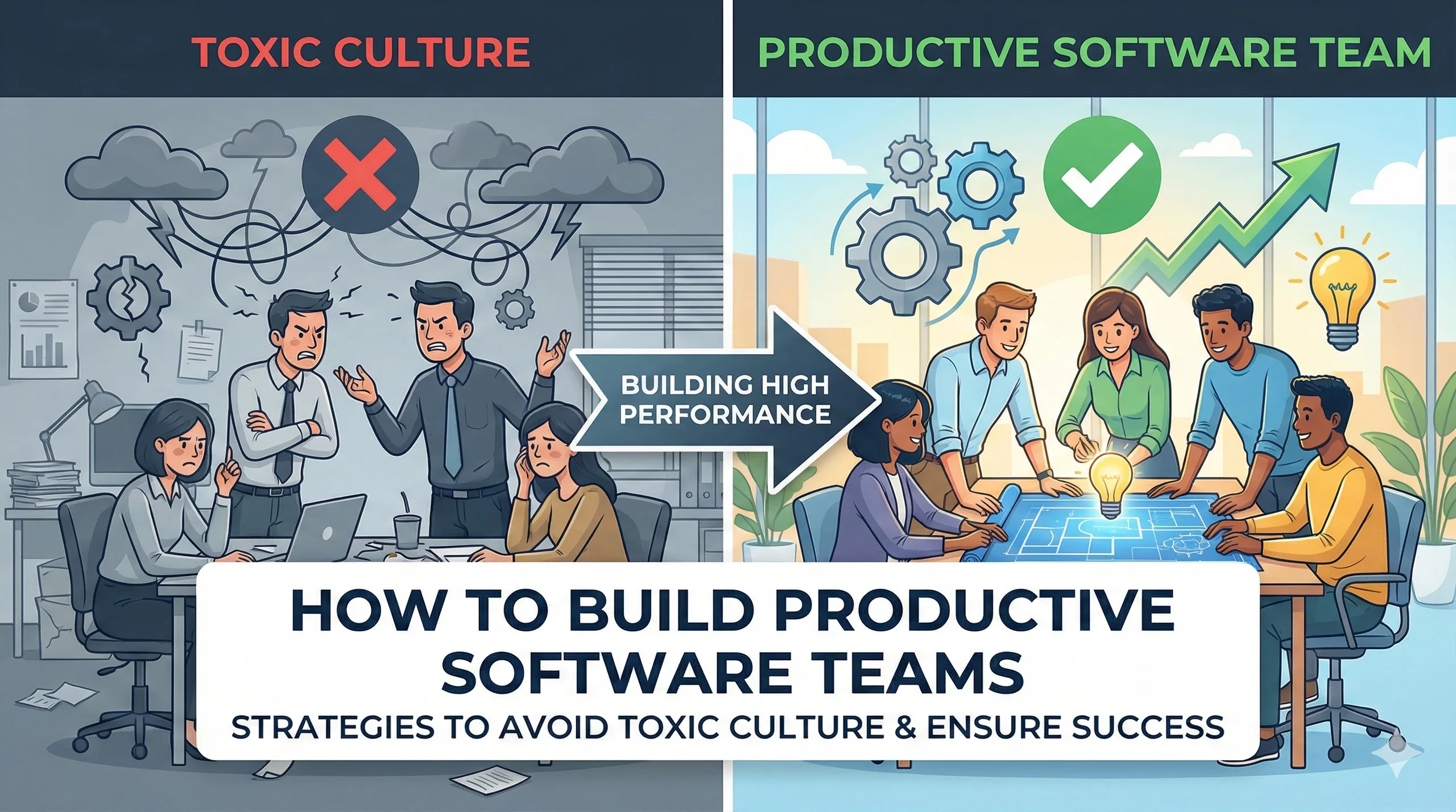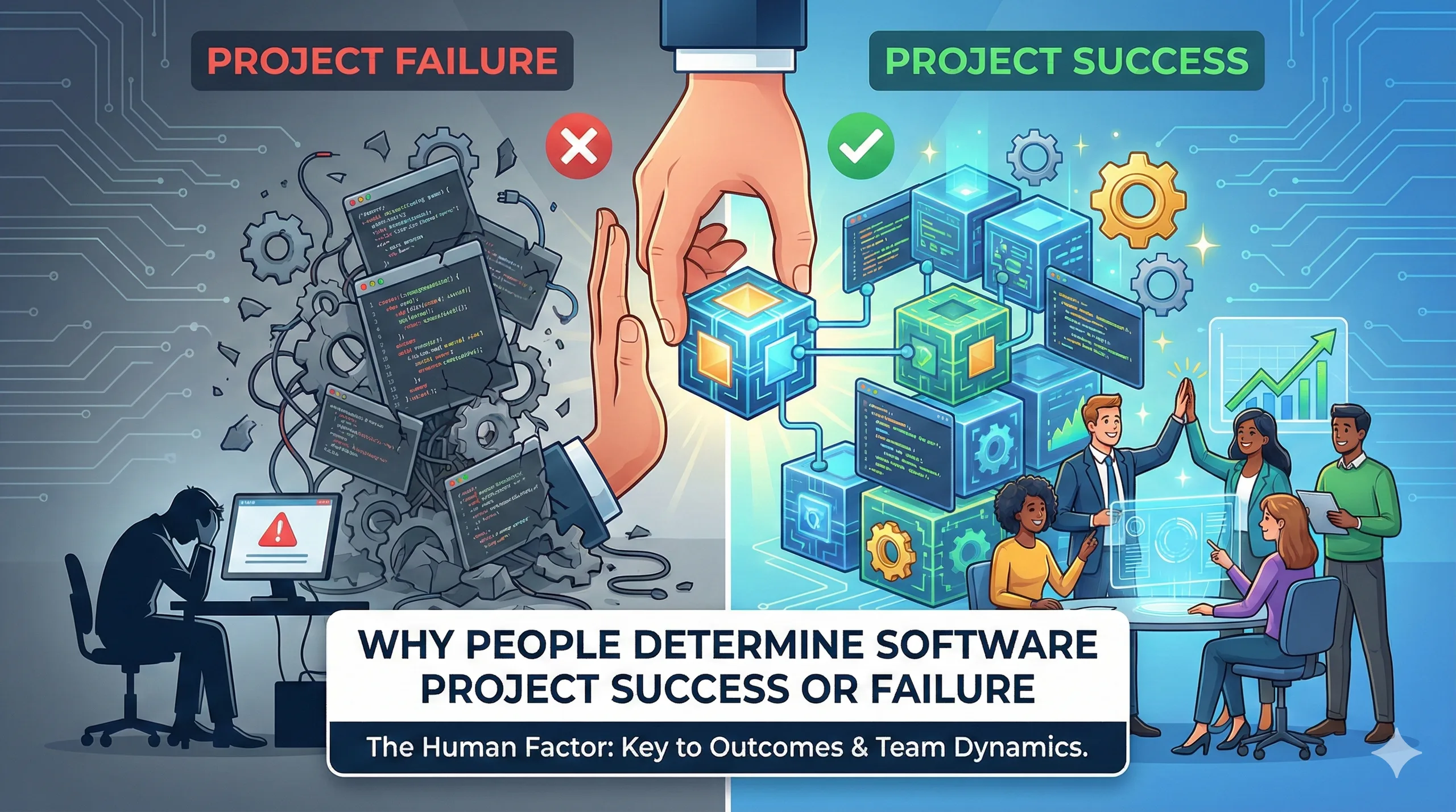
Software projects succeed or fail based on people not just code. Technical skills matter but human factors like motivation and communication drive results. Poor people management causes 70 percent of failures.
The management spectrum highlights four Ps: People Process Product Project. People top the list as intellectual capital. Strong teams deliver on time within budget.
This guide explains why focusing on people ensures project victory.
The Management Spectrum Explained
Effective management covers People Process Product Project. People involve recruiting training performance and career growth. Process sets guidelines for quality and tasks.
Product defines objectives scope and solutions. Project handles planning scheduling and monitoring. Balance creates success but people enable execution.
Neglect people and even perfect processes fail.
Why People Are Number One
People Management Capability Maturity Model guides team building. Key areas include recruiting selection compensation and team culture. Motivated teams produce superior work.
Project managers plan motivate organize and control. Senior managers set business direction. Practitioners design code and test.
Customers define needs end users give feedback. All roles interconnect for smooth delivery.
Key Player Roles
Senior managers address business issues. Project managers handle daily execution. Customers specify requirements stakeholders influence outcomes.
End users interact post launch. Practitioners provide technical skills. Clear roles prevent confusion boost accountability.
Team leaders motivate delegate and innovate. They solve problems with empathy and confidence.
Team Leader Qualities
Effective leaders encourage peak performance. They delegate based on strengths build authority. Organization translates concepts to products.
Innovation sparks creativity within limits. Problem solving uses critical thinking and team input. Managerial identity shows confidence work ethic and care.
Influence reads signals builds cohesion. Leaders stay calm reward initiative.
Building Productive Teams
Consider seven factors for structure. Problem difficulty program size team duration modularity quality needs deadlines and communication.
Optimal size three to eight members. Mix juniors seniors for knowledge transfer. Use Rayleigh distribution for staffing efficiency.
Democratic teams suit research chief programmer for defined tasks.
Signs of People Problems
Chaotic atmospheres lack accountability. Frustration causes conflicts. Ambiguous roles lead wrong directions.
Fragmented processes confuse teams. Repeated failures blame individuals no learning. These kill morale and productivity.
Avoiding Failure Through People Focus
Review procedures regularly. Provide full information access. Delegate decisions maximize team input.
Lock goals unless justified changes. Establish accountability feedback methods. Foster discipline in attendance resources and escalation.
Guide through Tuckman stages: Forming Storming Norming Performing Adjourning.
Real Impact of Strong People Management
Teams with clear roles finish 25 percent faster. Motivated groups reduce defects by 30 percent. Proper structures handle complexity without chaos.
Nokia software factories prove distributed teams succeed with right people practices. Open source thrives on collaborative roles.
Invest in people for reliable outcomes.
Organizational Structures Matter
Functional divides by specialty borrows staff per phase. Project based dedicates teams per project. Matrix balances both for flexibility.
Hierarchical offers control flat speeds decisions. Choose based on project needs people fit.
Measuring People Driven Success
Track risk tasks and schedules. Monitor metrics like delivery quality turnover. Use retrospectives for growth.
Balanced scorecards assess people process outcomes. Adjust based on data.
Simple Steps to People First Success
Hire for skills and culture fit. Train continuously. Define roles upfront.
Communicate openly. Recognize achievements. Resolve conflicts early.
Lead with empathy and vision.
Learn More about teng spectrum
Frequently Asked Questions
Find quick answers to common questions about this topic