Whether you're planning to start a blog, an online store, or build a brand website, one of the first things you’ll hear is: “You need to buy a domain name.”
But what is a domain name, really? Is it just a fancy technical term or something essential to your business?
In this guide, we’ll explain domain names in simple terms, explore their real-world uses, how they work, and why having the right domain name can make or break your digital identity.
What Is a Domain Name?
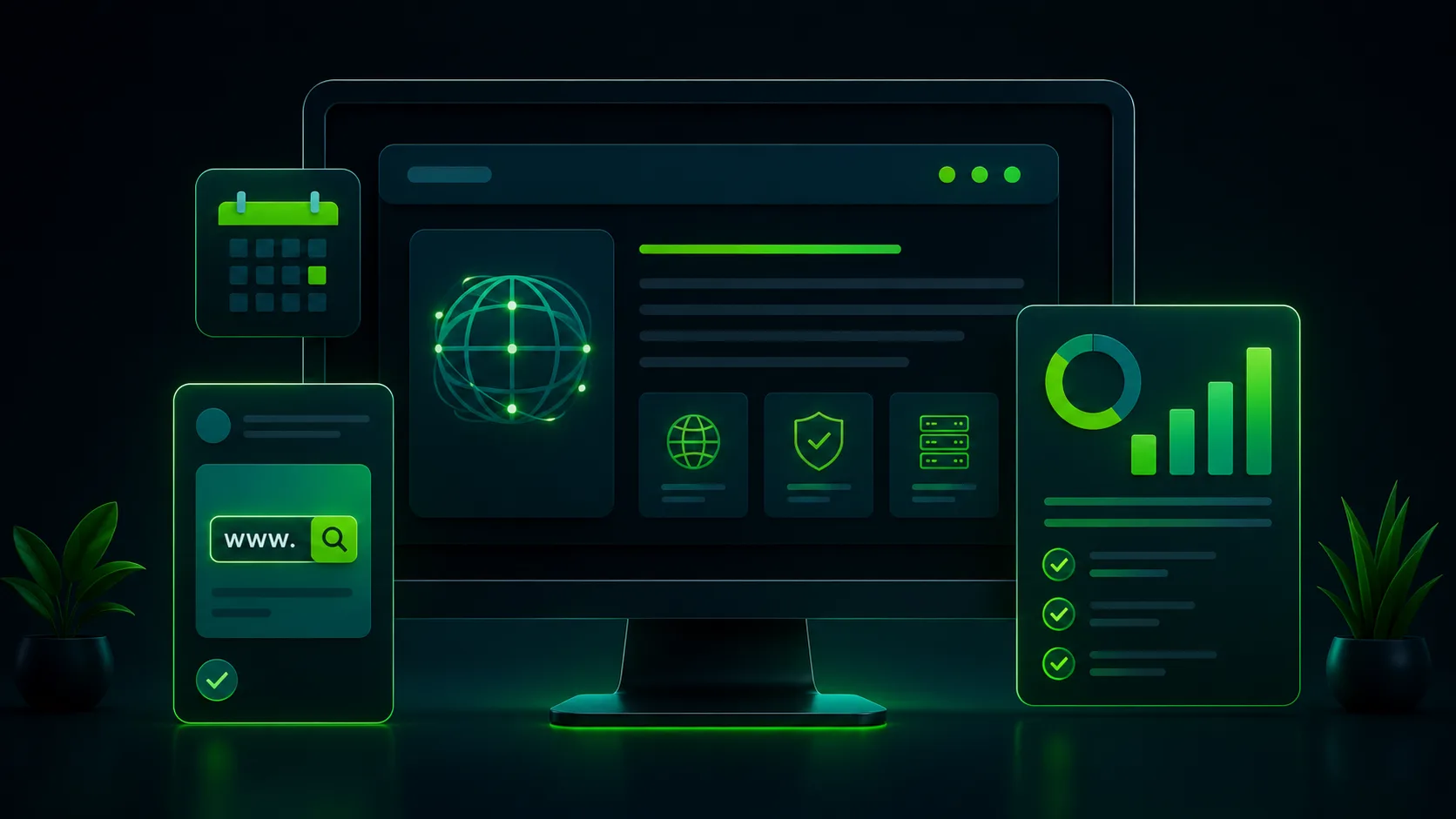
A domain name is the address people type into their web browser to visit your website.
Think of it like the digital version of a home address. Just as a street address helps someone locate your home, a domain name helps users find your website on the internet.
For example:
-
www.google.com -
www.10gspectrum.com -
www.amazon.in
Each one of these is a domain name.
Technical Definition (Made Simple)
In technical terms, every website is stored on a server with a unique IP address like 192.168.1.1.
But since IP addresses are hard to remember, domain names were invented to make it easier for people to access websites.
So, instead of typing numbers, you can simply type something like www.yourbusiness.com.
Anatomy of a Domain Name
A domain name has three main parts:
-
Subdomain (optional): Like
www.orblog. -
Name: Your chosen brand name (like
tengspectrum) -
Top-Level Domain (TLD): Like
.com,.in,.org, etc.
Example: In www.tengspectrum.com,
-
www= Subdomain -
tengspectrum= Name -
.com= TLD
What Is the Use of a Domain Name?
Let’s explore why domain names matter and how they are used in the online world:
1. Establishes Your Online Identity
A domain name is like your brand’s online nameplate. It represents your business, blog, or idea in the digital space.
Just like your business card has your name and contact info, your domain reflects your digital presence.
2. Builds Brand Trust and Professionalism
Having your own domain name (like yourbrand.com) looks far more professional than using a free subdomain (like yourbrand.wordpress.com or yourbrand.shopify.com).
People are more likely to trust a business with a proper domain name.
3. Easy to Remember and Share
Domain names are easier to remember than IP addresses or long links.
You can put your domain on:
-
Visiting cards
-
Advertisements
-
Social media bios
-
Product packaging
It becomes a central place for all your digital traffic.
4. Improves SEO (Search Engine Optimization)
Having a clear, keyword-friendly domain name can help with Google ranking.
Search engines consider your domain name along with your content to decide your website’s relevance.
Example:
www.bestbakerydelhi.com may rank better for users searching "Best Bakery in Delhi".
5. Ownership and Control
When you buy a domain, you get full control over it. You can:
-
Build a website on it
-
Redirect it to another page
-
Connect it to email hosting
-
Sell it later (some domains become digital assets)
6. Custom Email Addresses
With a domain, you can create professional email addresses like:
This adds credibility and brand consistency to your communications.
7. Scalability for Future Growth
Once you own a domain, you can scale your digital presence:
-
Start with a landing page
-
Expand into full website
-
Add e-commerce features
-
Create blog, portfolio, or membership area
Your domain grows with your business.
Domain Name vs Hosting – What's the Difference?
Many beginners confuse domain names and web hosting, but they are two different things:
| Feature | Domain Name | Web Hosting |
|---|---|---|
| Purpose | Acts as your web address | Stores your website files |
| Example | www.tengspectrum.com | Bluehost, Hostinger, SiteGround |
| Required? | Yes | Yes |
| Cost | Usually yearly (?500–?3000/year) | Monthly/yearly depending on plan |
Types of Domain Extensions (TLDs)
There are many types of domain extensions available:
-
.com – Commercial, most popular
-
.in / .us / .uk – Country-specific
-
.org – Non-profits
-
.net – Networks, tech
-
.store / .shop – E-commerce
-
.ai – Gaining popularity with AI companies
Pick one that fits your brand and audience.
How to Choose the Right Domain Name?
Here are some simple tips when choosing your domain:
-
Keep it short and easy to spell
-
Avoid numbers and hyphens
-
Make it brandable (unique and memorable)
-
Use keywords if possible (for SEO)
-
Choose the right TLD (
.com,.in,.storeetc.)
Example:
If you sell cakes in Kochi, kochicakes.com is more effective than delicious-treats123.org.
Where Can You Buy a Domain Name?
You can buy domain names from domain registrars like:
-
GoDaddy
-
Namecheap
-
Google Domains
-
Hostinger
-
Bluehost
Prices vary based on the domain extension and availability.
What Happens If You Don’t Own Your Domain?
-
You miss out on creating a strong digital brand
-
Someone else may register your brand name before you
-
You’ll be stuck using free subdomains
-
You won’t get branded email addresses
-
Harder to scale, build trust, or grow SEO
Owning your domain is the first step to online success.
A domain name is more than just a URL—it’s your digital identity, your brand foundation, and the first impression people get of your business.
In today’s fast-moving digital world, whether you’re a student, freelancer, or entrepreneur, owning your domain name is a necessity, not a luxury.
At TenG Spectrum, we help you buy the right domain, set up your website, and build your entire digital journey from idea to execution.
Frequently Asked Questions
Find quick answers to common questions about this topic