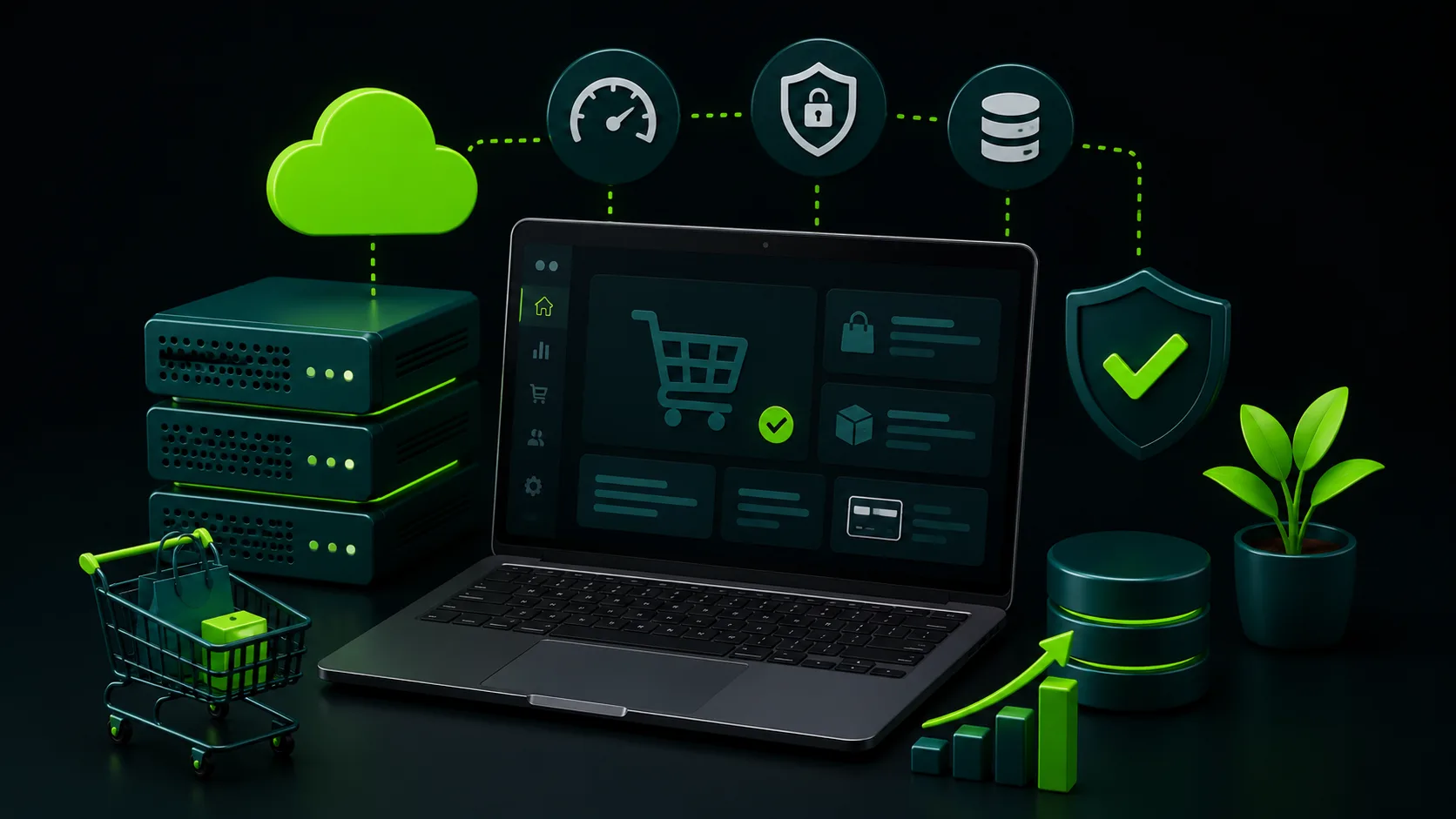
The Evolution of the Indian eCommerce Landscape
The digital commerce sector in India has undergone a radical transformation over the last decade. What was once a niche market dominated by a few major players has blossomed into a diverse ecosystem where Direct-to-Consumer (D2C) brands, hyper-local delivery services, and niche marketplaces thrive. The shift in consumer behavior, accelerated by global events and the rapid penetration of high-speed internet, has created a fertile ground for entrepreneurs.
According to recent industry data and reports from organizations like KPMG, India’s consumer digital economy is on a trajectory to reach USD 1 trillion by 2030. This growth is fueled by the democratization of data and the rise of the "next billion" internet users coming from Tier 2 and Tier 3 cities. For any business owner, this represents a monumental opportunity, but also a significant challenge in terms of competition and technical complexity.
Growing an eCommerce business is no longer just about having a product and a website. It is about building a robust digital infrastructure that can handle scale, provide security, and offer a seamless user experience. The following guide outlines five strategic steps to navigate this competitive market and ensure sustainable growth for your online store.
Step 1 Prioritize Top Notch User Experience and Service Quality
In the digital world, your website is your flagship store. Unlike a physical store where a salesperson can guide a confused customer, your website must be intuitive enough to guide the user from the landing page to the checkout without intervention. Service quality in eCommerce starts with the technical performance of your platform.
The Impact of Website Speed on Conversions
Speed is a critical ranking factor for search engines and a primary driver of user satisfaction. Statistics consistently show that a delay of even one second in page load time can lead to a significant drop in conversion rates. For Indian consumers, who may often browse on mobile networks with varying speeds, optimization is non-negotiable.
- Image Optimization: Use modern formats like WebP to ensure high-quality visuals do not bloat your page size.
- Code Minification: Clean up CSS and JavaScript to reduce the amount of data the browser needs to process.
- Content Delivery Networks (CDN): Distribute your content across various servers to ensure fast loading regardless of the user's location.
Designing for Trust and Clarity
User Experience (UX) is not just about aesthetics; it is about building trust. When a customer lands on your site, they should immediately understand what you sell and why they should buy from you. This involves high-quality product photography, clear descriptions, and visible social proof such as reviews and ratings.
TenG Spectrum emphasizes that a premium web presence must be "accessible." This means your site should be usable by everyone, including those with disabilities, adhering to WCAG guidelines. An inclusive design broadens your market reach and improves your brand reputation.
Step 2 Implement a Robust Omnichannel Engagement Strategy
The modern Indian consumer does not shop in a silo. They might see an ad on Instagram, read a review on a tech blog, compare prices on a marketplace, and finally make a purchase on your dedicated brand website. This multi-touchpoint journey requires an omnichannel approach.
Integrating Social Commerce
Social media platforms like Instagram and Facebook have evolved from mere discovery tools into powerful sales channels. With features like "Instagram Shop," users can browse and buy without leaving the app. However, the real growth comes from using these platforms to drive traffic back to your owned media—your website.
Engagement is the currency of social media. This does not mean just posting product photos. It involves:
- Educational Content: How-to videos, styling tips, or behind-the-scenes looks at your manufacturing process.
- Interactive Features: Polls, Q&A sessions, and live streaming sessions to build a community.
- Customer Support: Utilizing Direct Messages (DMs) to resolve queries in real-time, effectively turning social media into a customer service hub.
The Role of WhatsApp Marketing in India
In India, WhatsApp is more than a messaging app; it is a lifestyle. Integrating WhatsApp into your eCommerce strategy can yield higher open rates than traditional email marketing. You can use it for order updates, abandoned cart reminders, and personalized promotional offers. By providing a direct line of communication, you humanize your brand and build lasting loyalty.
Step 3 Master the Mobile First Approach
India is a mobile-first nation. For a vast majority of the population, a smartphone is their primary (and often only) gateway to the internet. If your eCommerce store is not perfectly optimized for mobile devices, you are essentially closing your doors to over 70% of your potential market.
Technical Elements of Mobile Optimization
A mobile-friendly site is more than just a shrunk-down version of your desktop site. It requires a fundamental shift in design philosophy.
| Feature | Desktop Consideration | Mobile Consideration |
| Navigation | Horizontal menus with many categories | Hamburger menus and thumb-friendly buttons |
| Images | High resolution, large layouts | Responsive images that adapt to screen size |
| Input Fields | Easy to type with a keyboard | Simplified forms with auto-fill capabilities |
| Interactions | Hover effects and mouse clicks | Gestures, swipes, and taps |
Progressive Web Apps (PWA)
For businesses looking to provide an app-like experience without requiring users to download a heavy application from the Play Store, PWAs are an excellent solution. They allow your website to load instantly, work offline to some extent, and even send push notifications. This technology is particularly effective in areas with inconsistent internet connectivity, a common scenario in rural India.
Step 4 Strategic Personalization and Subtle Cross Selling
One of the biggest advantages of an eCommerce business over a physical store is the ability to track and analyze data. Understanding user behavior allows you to offer a personalized shopping experience that feels curated rather than forced.
The Art of Non Intrusive Cross Selling
Cross-selling is the practice of suggesting related products to a customer. While effective, it must be handled with care. If a user is interrupted by constant pop-ups while trying to complete a purchase, they are likely to abandon the cart.
Effective cross-selling strategies include:
- Frequently Bought Together: Displayed on the product page below the main description.
- Personalized Recommendations: Based on browsing history or previous purchases.
- Post Purchase Suggestions: Sending an email a few days after a purchase suggesting accessories or refills.
Leveraging Data Analytics
To grow, you must move beyond vanity metrics like "likes" and focus on actionable data. Tools like Google Analytics and heatmaps can show you exactly where users are dropping off in the sales funnel. For instance, if data shows a high drop-off on the shipping information page, you might need to reconsider your delivery fees or timelines.
Step 5 Optimize the Checkout Process for Maximum Conversion
The checkout page is the final hurdle in the eCommerce journey. In India, cart abandonment rates are often higher than the global average due to complex payment processes or a lack of preferred payment methods.
Reducing Friction at Checkout
According to the Baymard Institute, nearly 70% of shoppers abandon their carts. To combat this, your checkout process should be as short and transparent as possible.
- Guest Checkout: Do not force users to create an account before they can buy. Allow them to check out as a guest and offer account creation at the end.
- Progress Indicators: Show the user exactly how many steps are left (e.g., Shipping > Payment > Review).
- Transparent Pricing: Never surprise a customer with hidden shipping fees or taxes at the very last step. This is a leading cause of immediate abandonment.
Localizing Payment Methods
India has a unique payment ecosystem dominated by UPI (Unified Payments Interface). Offering UPI options like Google Pay, PhonePe, and Paytm is mandatory. Additionally, while digital payments are growing, Cash on Delivery (COD) remains a significant preference for many consumers, especially in the initial stages of brand building where trust is being established.
Security and Trust Signals
Digital security is a major concern for online shoppers. Ensure your website has an SSL certificate and display trust badges from payment processors and security providers. Clear links to your Return Policy, Privacy Policy, and Terms of Service should be easily accessible from the checkout page to reassure the customer.
Comparison Table Traditional vs Modern eCommerce Strategies
To understand the shift in the market, here is a comparison of legacy approaches versus current best practices for growth in India.
| Feature | Traditional Approach | Modern Growth Strategy (2026) |
| Platform | Desktop-centric | Mobile-first / PWA |
| Marketing | Bulk email and SEO | Omnichannel, WhatsApp, and Influencer |
| Customer Support | Email tickets | AI Chatbots and Real-time DMs |
| Payments | Credit Card / COD | UPI-dominant with buy-now-pay-later (BNPL) |
| Content | Static product descriptions | Video reviews, UGC, and interactive media |
Strategic Insights for Scaling in the Indian Market
Beyond the five steps mentioned above, scaling an eCommerce business in India requires an understanding of the regional nuances. India is a collection of diverse markets with different languages, cultures, and consumption patterns.
Hyper Localization
Consider localizing your website content into regional languages. While English and Hindi cover a large portion of the market, offering content in languages like Tamil, Telugu, or Bengali can give you a competitive edge in those specific regions. This extends to your marketing campaigns and customer support as well.
Logistics and Supply Chain Management
The "last mile" is often the most difficult part of eCommerce in India. Partnering with reliable logistics providers who have a strong network in Tier 2 and Tier 3 cities is essential. Furthermore, implementing an efficient inventory management system ensures that you never sell an "out of stock" item, which can lead to negative reviews and lost trust.
Compliance and Legal Framework
Ensure your business adheres to the latest eCommerce regulations in India, including Consumer Protection (E-Commerce) Rules and data privacy laws. Transparent business practices, including clear GST invoicing and straightforward refund processes, are fundamental to long-term success and authority in the space.
Building a Sustainable Future in Digital Commerce
The journey of an eCommerce business is one of continuous iteration. The strategies that work today may need to be adjusted as technology evolves and consumer preferences shift. However, the core principles of speed, trust, and customer-centricity remain constant.
In India, the potential for growth is immense. By focusing on the user experience, embracing the mobile-first reality of the market, and utilizing data to drive personalization, businesses can carve out a significant share of the USD 1 trillion digital economy. It is not just about the transaction; it is about the relationship you build with your audience.
Success in this space requires a blend of creative marketing and technical excellence. As competition grows, the businesses that invest in high-quality digital solutions and strategic SEO will be the ones that thrive in the long run.
Partner with TenG Spectrum for Your Growth Journey
Scaling an eCommerce business requires more than just a template website. It demands a strategic partner who understands the complexities of the digital landscape and the specific nuances of the Indian market. At TenG Spectrum, we specialize in providing premium web development, bespoke eCommerce solutions, and data-driven SEO strategies designed to help your business reach its full potential.
Whether you are looking to build a high-conversion store from scratch or optimize your existing platform for the mobile-first era, our team of experts is here to guide you. We focus on creating responsive, secure, and high-performing digital experiences that turn visitors into loyal customers.
Contact TenG Spectrum today to discuss your digital strategy and take the first step toward dominating the eCommerce landscape in India. Let us help you navigate the levels of this digital game and achieve a definitive win for your brand.
Frequently Asked Questions
Find quick answers to common questions about this topic